
7-Step Guide to Mushroom Curry with Indian Spices
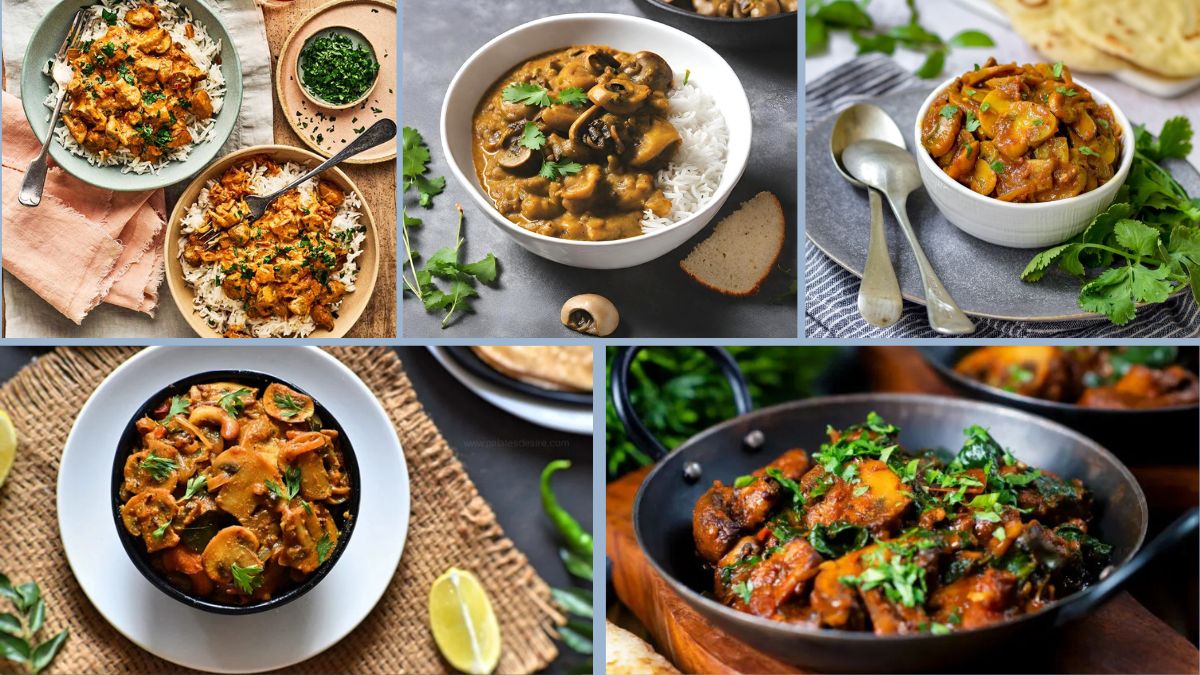
Mushroom curry, infused with the rich and aromatic palette of Indian spices, occupies an important place in vegetarian cuisine, blending both nutritional value and culinary sophistication. Mushrooms offer a meaty texture without the use of animal products, and when paired with spices such as turmeric, cumin, coriander, and garam masala, they deliver depth of flavour, aroma, and health benefits. This guide provides a detailed seven-step process to create a mushroom curry that is balanced, flavourful, and wholly vegetarian.
Step 1: Ingredient Selection & Preparation

Mushrooms: Choose firm, fresh mushrooms—button, white, cremini or baby bella. Avoid mushrooms that are slimy or have dark, water-soaked areas. Approximately 400-500 grams are sufficient for 4 servings.
Spices & Seasonings:
- Turmeric powder: imparts colour and anti‐inflammatory benefits
- Cumin seeds (jeera) and/or cumin powder: warm, earthy notes
- Coriander powder: citrusy, gentle flavour
- Garam masala: final layering spice for finishing aroma
- Red chili powder (or paprika for mildness): for heat
- Green chilies (optional): fresh kick
Other Key Ingredients:
- Onions (medium‐sized, finely chopped)
- Garlic & ginger (freshly minced)
- Tomatoes (fresh, or tomato puree)
- Fresh coriander (cilantro) leaves for garnish
- Cooking oil (vegetable, sunflower, or mustard oil)
- Salt
Before cooking, clean mushrooms by wiping off dirt or using a damp cloth; avoid rinsing under heavy water to prevent sogginess. Slice mushrooms moderately (not too thin, to retain texture) or leave them halved.
Step 2: Creating the Flavor Base (“Tadka” / “Chaunk”)

Indian curries often begin with a tadka—you heat oil and temper whole spices to release essential oils which form the flavour foundation.
- Heat 2–3 tablespoons of oil in a heavy-bottomed pan to medium.
- Add cumin seeds; let them sizzle until they crackle and shift colour (about 10–15 seconds).
- (Optional) Add a pinch of hing (asafoetida) for a savoury layer, especially in North Indian styles.
This step is critical because correct melting and browning of these spices ensures that downstream ingredients carry those flavours throughout the curry.
Step 3: Onion, Garlic & Ginger Strata
After the tempering:
- Add finely chopped onions. Fry them over medium heat until translucent, then into a light golden-brown shade. Patience is key—undercooked onion will taste too raw; overcooked will taste burnt.
- Next, add ginger-garlic paste or minced fresh garlic and ginger. Fry for another minute or two until the raw smell dissipates.
This aromatic paste contributes foundational sweetness, aroma, and flavour complexity.
Step 4: Tomato & Spice Integration

- Introduce tomatoes (chopped fresh or pureed). Cook until oil begins to separate from the sides—this indicates the tomato has cooked well.
- During this phase, add ground spices: turmeric, coriander powder, cumin powder, and red chili powder. Stir constantly so that the spices do not burn but instead fry well in the mix.
By properly integrating these spices with the tomato-onion base, you get a rich colour, balanced heat, and flavour profile. Adjust chilli according to desired spiciness.
Step 5: Adding Mushrooms & Simmering
- Once the tomato-spice mix is well-cooked, add the sliced mushrooms. Stir to coat in the masala. Mushrooms will release water; keep flame medium to high so moisture evaporates as needed without making the curry watery.
- Optionally, add a splash of water or vegetable broth if you wish to make it saucy. For a drier curry, little to no water; for gravy, more.
- Cover and simmer for 5-8 minutes, stirring occasionally. Mushrooms should be tender but still hold shape—not mushy.
Step 6: Finishing Touches & Layering of Flavours

- Once mushrooms are cooked, check seasoning: salt, chilli heat. Adjust if necessary.
- Sprinkle garam masala (½ to 1 teaspoon) in the last minute of cooking; cover for a short while so the aroma infuses.
- Optionally, squeeze a bit of lemon juice to brighten the curry. Fresh lemon cut just before serving enhances freshness.
- Garnish with chopped fresh coriander leaves.
Step 7: Serving Suggestions & Variations
Serving Ideas:
- Serve hot with Indian bread: roti, naan, paratha.
- Over steamed basmati rice or jeera rice.
- As a side with dal (lentil curry) for a balanced meal.
Variations (Veg-only):
- Add coconut milk or cream just after mushrooms cook, for a creamy version.
- Incorporate bell peppers, diced potatoes, peas, or spinach to make it more wholesome.
- Use kasuri methi (dried fenugreek leaves) for an earthy aroma.
Nutritional & Cultural Significance

Mushrooms are a valuable source of protein, dietary fibre, B-vitamins (especially niacin, riboflavin), and minerals like selenium. Spices used (turmeric, cumin, coriander) have antioxidant, anti-inflammatory, and digestive-aiding properties. In many Indian households, mushroom curry represents the blending of traditional spice knowledge with vegetarian ethics, providing sumptuous meals during vegetarian festivals, daily lunches, or special dinners.
Possible Pitfalls & How to Avoid Them
- Over-watering the mushrooms: Mushrooms contain a lot of moisture; if the pan is overcrowded, they steam instead of sauté. Use moderate heat and enough space.
- Burning the spices: Ground spices burn quickly once added; keep heat moderate, stir continuously.
- Undercooked onion or raw garlic/ginger flavour: Frying properly is essential; rawness is noticeable and unpleasant.
- Imbalanced heat or spice: Always taste as you go. Adjust red chili, green chillies, garam masala near the end.
Conclusion
The 7-step guide—from selecting fresh mushrooms, preparing a flavour base with onions, garlic and ginger, integrating tomato and spices, properly cooking mushrooms, to finishing and serving—provides a reliable approach to making an aromatic, flavourful mushroom curry entirely without animal products. With careful attention to each stage, one achieves a dish that is both satisfying and healthful—a true reflection of Indian vegetarian culinary tradition.