India deflects US tariffs
By Colonel Awadhesh Kumar, Retd
India, has turned the American tantrums into an advantage. The Tariff missiles launched by Trump have been neutralized in manner similar to the neutralization of Chinese missiles and Turkish drones launched during Operation Sindoor.
Now it is India which has begun pushing for complete overhaul of the global economic order. For long, Western nations have been wielding disproportionate control but one thing is going to change that is quiet compliance by others.
BRICS has certainly surpassed G7 economically and is no way inferior militarily. In fact next year it is India which is going to chair the BRICS presidency.
The date 9th Jul was bandied by Trump as a “ bunker buster “ for world wide compliance, but against India it got “switched off ” on its own. Though trade negotiations between the two countries is continuing.
Now quietly India notified reciprocal tariffs on 9th July itself on the United States under the framework of the World Trade Organization (WTO), targeting INR 64600 Crores worth of American exports !!
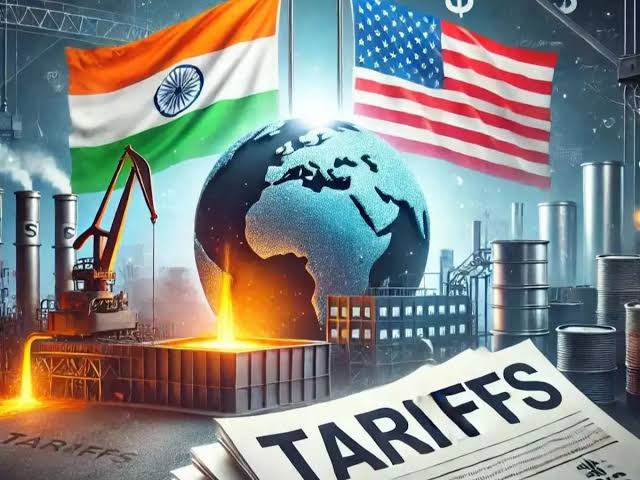
This is a direct response to the unjustified “safeguard measures” initiated by US President Donald Trump’s administration – particularly tariffs on aluminium and steel imports. The USA tariffs on India, will see duties rise from present 25% to 50% on a range of products.
US tariffs were first introduced in 2018 and dramatically increased in June 2025. These tariffs, part of so-called “Liberation Day” declarations, hiked duties on imports of steel, aluminium, and derivative goods, raising them to a 50% ad valorem rate – targeting INR 64600 Crores of Indian export and collecting additional duties of INR 32300 Crores.
India’s reciprocal action is for “an equivalent amount” which is as per the WTO provisions that allow member states to suspend concessions when they believe another member is in violation of trade agreements. India is determined to keep adjusting its tariff rates as per shift in US trade policy.
Presently the WTO’s dispute resolution system is effectively non-functional. The appellate body, which reviews decisions made by WTO dispute panels, has been paralyzed since December 2019, largely due to US Biden and Harris administrations and same is continuing under Trump. Therefore countries like India in order to reshape the global trade diplomacy too are taking unilateral action due to failure of multilateral resolution.
Prime Minister Narendra Modi has been giving many calls for the reform of global trade. At the recent BRICS summit in Brazil, he criticized the trade models and structures and skewed representations in organizations such as the United Nations Security Council, the WTO, and global financial institutions.
Thus India’s action on trade tariffs is going to be part of a larger reshaping of international reforms. As a rising power and key member of both BRICS and the G20, India has started to reshape the current global governance frameworks which disproportionately benefit a handful of developed countries.
India and the US continue to actively negotiate a new bilateral trade agreement over digital trade, agricultural subsidies, pharmaceutical pricing, and market access for dairy and medical devices. India remains committed to act in the national interest and will not permit damage to exports and manufacturing sectors. In response to America First now there is equal push of India First.
Several other countries including China, the EU, Canada, and Turkey had already imposed their own countermeasures against Trump-era tariffs during his first term. Many of those duties remain in place, a testament to the lingering effects of a global shift toward economic nationalism and protectionism.
India’s reciprocal tariffs against the US, is going to be a step towards reshaping the fractured global trade architecture. It demonstrates New Delhi’s growing willingness to assert itself in the face of any economic aggression.
US is seeking duty concessions in the agriculture and dairy sectors. The US also wants concessions on industrial goods such as automobiles, wines, petrochemical products, dairy, and agricultural items such as apples, tree nuts, and genetically modified crops.
Meanwhile, India while remaining firm on agriculture sector and labour intensive sectors is negotiating for duty concessions in Services and also textiles, gems and jewellery, leather goods, garments, plastics, chemicals, shrimp, oil seeds, grapes, and bananas, within the scope of the proposed trade agreement.