
ISRO to launch two Military satellites for the Indian Navy
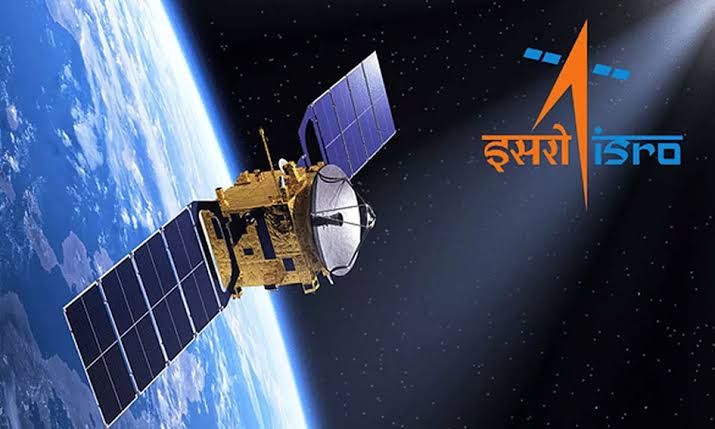
The Indian Space Research Organisation (ISRO) will be launching two advanced military surveillance satellites by the end of 2025. One of them will be the GSAT-7R satellite. and the other a Technology Demonstration Satellite (TDS).
The GSAT-7R is a dedicated military communication satellite intended specifically for the Indian Navy, designed to replace the existing GSAT-7 satellite the Rukmini in orbit since 2013.
It provides multi-band communication capabilities for naval operations, including secure real-time networking among warships, submarines, aircraft, and shore-based systems across a wide geographical area—primarily the Indian Ocean region.
GSAT-7R weighing 2650 kg, is going to be a more advanced replacement with enhanced capabilities to meet the growing communication needs of the Indian Navy and will be operating in geostationary orbit.
Costing around ₹1,589 crores, GSAT-7R is going to be launched by GSLV MK-II launch vehicle, to provide secured communication support for the Navy’s expanding blue-water operations.
ISRO is also going to launch the Technology Demonstration Satellite (TDS) GSAT-7R, which is part of ISRO’s efforts to advance its technological capabilities and support indigenous innovations in satellite technology.
While specific technical details about TDS are less publicized, it signifies an ongoing commitment to pushing the boundaries of India’s space technology development.
This year, ISRO’s ambitious roadmap includes not only these satellite launches but also plans to develop a next-generation rocket towering as tall as a 40-storey building.
This new rocket aims to lift payloads as heavy as 75,000 kg into low Earth orbit, underscoring a major milestone in India’s space launch vehicle capabilities. These advancements signify India’s growing space ambitions in defence, scientific, and commercial sectors.
The replacement of GSAT-7 by GSAT-7R aligns with the Indian Navy’s strategic objectives to enhance communication reliability, extend operational reach, and ensure secure, multi-band communication capabilities independent of foreign satellites.
GSAT-7R is designed to augment naval network-centric warfare by providing a wide coverage area with advanced communication payloads, ensuring seamless connectivity for naval assets during critical operations.
ISRO’s initiatives also reflect the broader expansion of India’s satellite portfolio, currently maintaining about 55 satellites in orbit, with expectations to triple this number within the next three to four years.
This rapid growth illustrates both the deepening reliance on space technology for national security and the growing stature of India as a space-faring nation.
The launches of the Technology Demonstration Satellite and GSAT-7R for the Indian Navy by the end of 2025 mark significant milestones.
They reinforce ISRO’s role in enhancing India’s strategic defence capabilities through indigenous satellite technology, while simultaneously pushing the envelope in space launch vehicle development and satellite deployment capacity.
These efforts collectively signify a leap forward for India’s space and defence sectors this year and beyond.