
Unsold Soyabeans cause gas in Trump
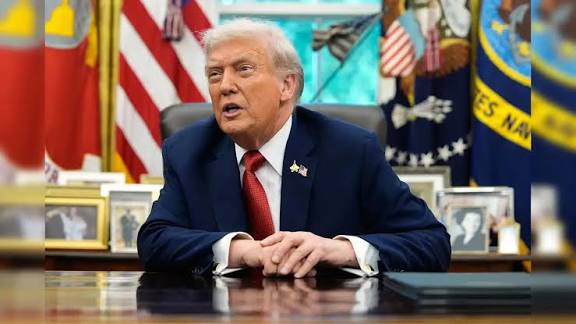
President Donald Trump speaks in the Oval Office of the White House, Sept. 30, 2025, in Washington
China the largest importer of American soybean, has virtually stopped the imports. In 2023, China had imported more than 15 billion USD worth of soyabeans from the USA and 38 billion USD worth from Brazil.No wonder all the soybeans left with the American farmers is naturally causing “ gas “.
So now instead of trumpeting noise, the sound may start coming from somewhere else. No wonder Donald Trump said Wednesday that China’s purchase of American soybeans will top the agenda when he holds talks with the country’s leader Xi Jinping in four weeks. Trump must have felt the BRICS trade power by now.
“The Soybean Farmers of our Country are being hurt because China is, for ‘negotiating’ reasons only, not buying,” Trump said on social media. “It’s all going to work out very well.”
“I’ll be meeting with President Xi, of China, in four weeks, and Soybeans will be a major topic of discussion,” Trump added.
Following a lengthy phone call with the Chinese president in September, Trump said the two agreed to meet in person when both travel to South Korea for a two-day Asia-Pacific economic summit opening at the end of this month.
At the time, Trump said he and Xi made progress on major issues, including trade, approving a deal regarding TikTok’s operations in the United States and the need to end Russia’s war in Ukraine.
The call, which Trump said lasted almost two hours, marked their second known interaction since the U.S. leader returned to office in January.
During his second presidency, Trump has yet to either travel to Asia or meet face-to-face with Xi.
In its trade talks with the Trump administration, the Japanese government has agreed to increase imports of U.S.-grown rice and other agricultural goods, including corn, soybeans and fertilizer, with a value expected to total $8 billion per year.
China was the biggest importer of American soybeans and a major trading partner for corn in 2024, according to U.S. Agriculture Department data.
But China’s imports of soybeans and corn from the United States fell sharply earlier this year as the world’s two largest economies engaged in a tit-for-tat trade war.
As part of Tokyo’s give-and-take negotiating strategy, Japanese officials included increased purchases of American corn and soybeans in their proposals to help make up for the decline of U.S. exports of the two crops to China.