114 Rafale Jets is the MRFA Front-Runner : IAF Chief
A book NABHAH SPARSHAM DEEPTAM written by an Army officer and
published in 2023 talked about authorization of 54 to 63 fighter squadrons for the IAF as inevitable. Amazingly India is moving in this direction along with most of the other things suggested in the book.
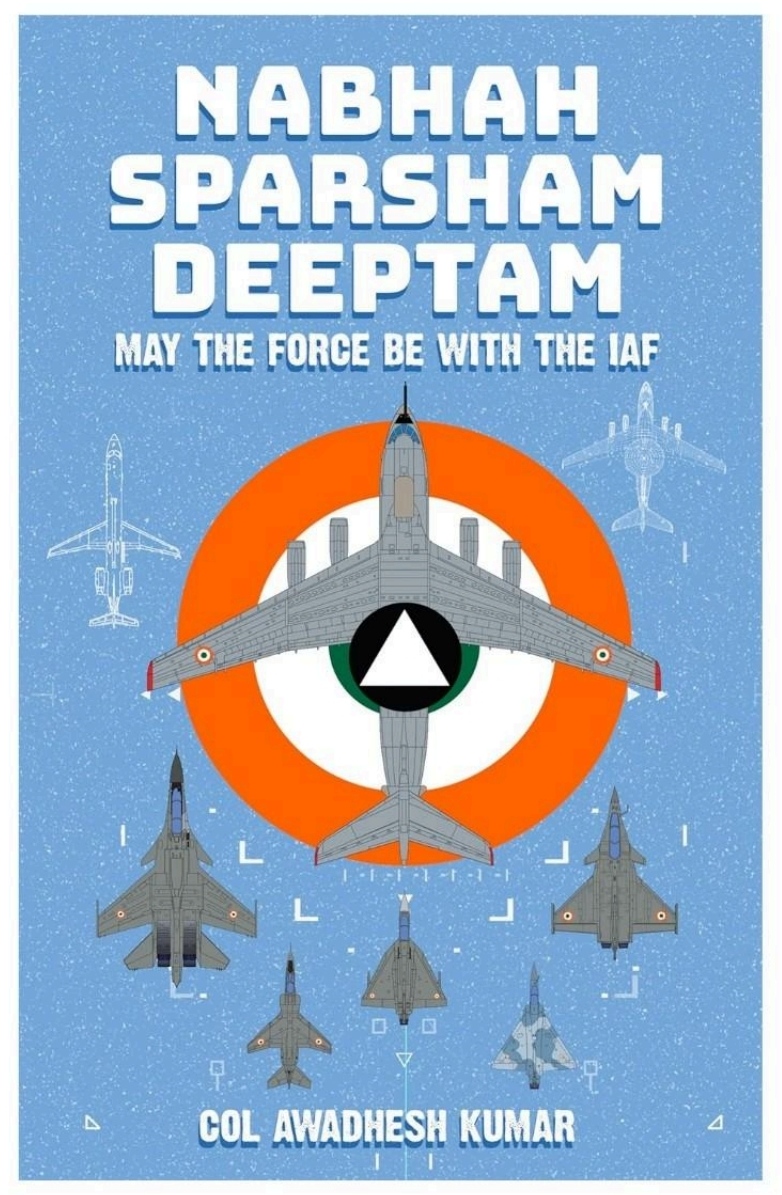
The book also talks of six to nine squadrons of Rafale for the IAF through Make in India. We already have two Rafale squadrons fully deployed and 6 to 7 more squadrons are required as recommended in the book.
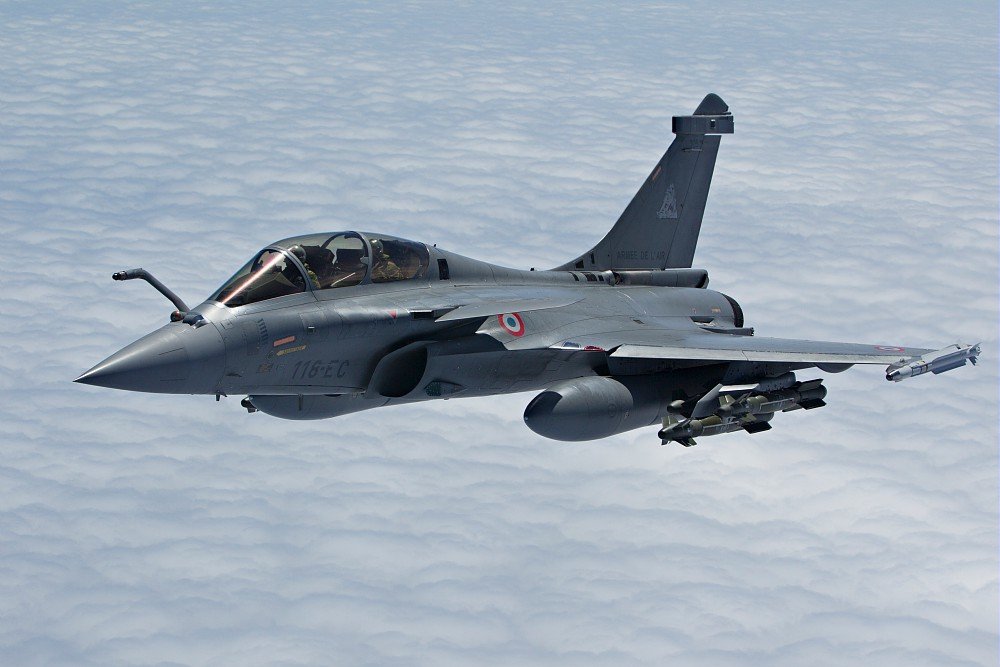
Air Chief Marshal A P Singh has now himself underlined that the Rafale fighter remains the most logical choice for the Indian Air Force (IAF) under the Medium Multi-Role Fighter Aircraft (MRFA) program. Inducted into the IAF after rigorous trials where it outclassed the USA made F16. After Operation Sindoor, the Rafale is seen as the most combat-proven and seamlessly absorbable platform for India’s operational needs.
During the MMRCA selection, IAF had conducted one of the world’s most comprehensive flight trials where Rafale outperformed competitors on cost-effectiveness, combat capability, and logistical integration. With two squadrons fully deployed and now even combat tested by the IAF, Rafale now has emerged as a trusted choice without requiring fresh extensive validation.
The fighter has been fully inducted into the IAF ecosystem, complete with infrastructure, training frameworks, weapons integration, and maintenance facilities. Expanding to 6 to 7 more squadrons with 114 to 126 aircraft will see faster induction and cost efficiency compared to starting afresh with a new fighter platform.
These Rafales will be through “Make in India” as emphasised by the IAF. Dassault Aviation has shown complete willingness to expand local production, collaborate with Indian industry, and offer technology integration which will be a key advantage.
Competing players such as Lockheed Martin (F-21), Boeing (F/A-18 Super Hornet), and Eurofighter Typhoon are also pitching large-scale indigenous assembly and technology transfer packages to appeal to this strategic requirement but are all obsolete and untrustworthy politically and strategically as shown by Trump’s behavior.
Rafale is positioned as the front-runner, and India should never go in for the obsolete F-21no matter what promises are made or repackaged to lure India.
The USA is trying to dangle the F‑16 Block 70 platform, promising full Indian-specific assembly lines. The Eurofighter Typhoon comes off a multinational technological consortium controlled by EU. As it is Indian Navy has already ordered 26 naval Rafales.
The IAF currently operates around 29 fighter squadrons against a sanctioned strength of 42. This number has to move upto first 54 squadrons and then to 63 squadrons. With older MiG-21 variants now fully retired and Jaguars nearing obsolete timelines, the force faces declining numbers.
Acquiring 114 to 126 Rafales, in addition to the existing 36, could add seven full squadrons, bringing firm stability until indigenous programs like Tejas Mk1A, TEJAS MK-2 and AMCA achieve maturity. This step would significantly improve deterrence and combat readiness amid two-front security concerns with China and Pakistan.
The Rafale decision will not only stiffen the backbone of IAF’s medium-weight fighter fleet but also shape India’s aerospace industrial ecosystem for the next three decades.
With Rafale India will achieve smoother operational synergy while leveraging deeper industrial partnership with France. May be IAF also gets 3 to 6 squadrons of SU57 MKI through make in India to actually raise the squadrons strength to 54 squadrons by 2035.