58 Pakistani soldiers killed in Clashes with Afghanistan
The 2,611-kilometer Pakistan–Afghanistan frontier, known as the Durand Line, has been one of South Asia’s most volatile boundaries for over a century.
No Afghan Government has ever recognized it as an international border since 1893, while Pakistan considers it a settled boundary since the artificial creation of Pakistan in 1947.
The Line has been volatile often ever since its creation. However tensions have really intensified since the Taliban’s return to power in Afghanistan in August 2021.
Pakistan accuses Kabul of allowing TTP safe havens inside Afghanistan, enabling cross-border attacks on Pakistani security forces. The Afghan government denies these claims and argues that Islamabad’s internal security failures are being externalized.
Afghanistan forces have now killed 58 Pakistani soldiers and captured 25 border outposts in a series of overnight operations, escalating already tense relations between the two neighbours.
Afghan officials described the attacks as retaliation for Pakistani airstrikes earlier in the week, which they say targeted parts of Kabul and a marketplace in eastern Afghanistan. Islamabad has neither confirmed nor denied those accusations.
According to Afghan spokesman Zabihullah Mujahid, Afghan forces launched coordinated cross-border attacks on Saturday night, resulting in heavy Pakistani losses. He stated that 58 Pakistani soldiers were killed and more than 30 wounded during the operations, while all “official borders and de facto lines of Afghanistan are under complete control.”
Afghanistan’s Defence Ministry echoed this statement, describing the assaults as “retaliatory and successful operations” to safeguard national sovereignty.
The ministry also warned that any further violation of Afghan territory would trigger an even stronger military response. Reports from the ground indicated heavy exchange of fire along multiple sectors of the border, though there is no independent confirmation yet of the scale of casualties or post captures.
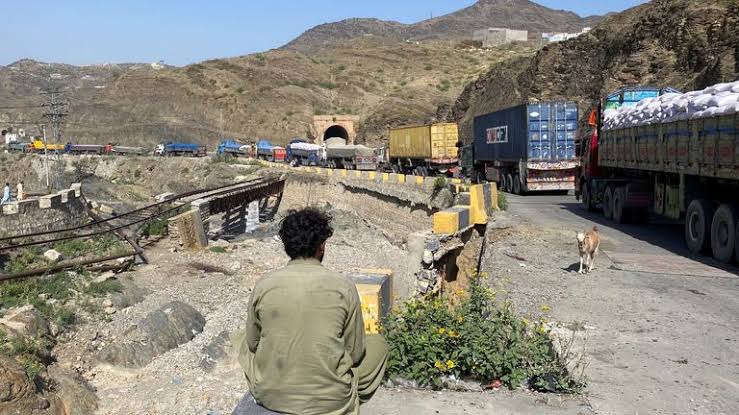
There was no immediate response or casualty confirmation from Pakistan’s military or government sources. However, both the Torkham and Chaman border crossings—the primary trade routes between the two nations—remained closed on Sunday. The closure has disrupted commercial supply lines and civilian movement, leaving hundreds of Afghan refugees stranded.
Witnesses in the Pakistani town of Chaman reported hearing fighter jets flying over Spin Boldak in Kandahar province, followed by explosions and rising plumes of smoke, suggesting that Pakistan may have conducted retaliatory air patrols or strikes.
Speaking in New Delhi, Afghanistan’s Foreign Minister Amir Khan Muttaqi dismissed Pakistan’s allegations of sheltering militants linked to the Tehrik-i-Taliban Pakistan (TTP). He argued that the individuals in question were, in fact, displaced Pakistani citizens from former tribal areas affected by Pakistan’s own counterterrorism campaigns. “There is no presence of TTP in Afghanistan now,” Muttaqi asserted, blaming Islamabad for using the militant issue as a political pretext.
He further denounced Pakistan’s attempts to control the contentious Durand Line, saying it could be tamed “neither by Genghis Khan nor by the British,” and advised Pakistan to focus on internal stability rather than creating border conflicts.
The recent operations mark a sharp escalation, representing one of the deadliest direct confrontations between Afghan and Pakistani forces since 2021. The continued border skirmishes, shutdown of trade crossings, and absence of diplomatic channels indicate rapidly deteriorating relations.
The heavy casualties suffered by Paki Army could trigger serious military and diplomatic repercussions. Regional observers fear that the situation could spiral into sustained armed clashes along the Durand Line, further destabilizing an already fragile border region and complicating security dynamics involving both countries’ ties with China, Iran, and the wider region.