Home Ministry to strengthen surveillance along Bangladesh Border to track infiltrators
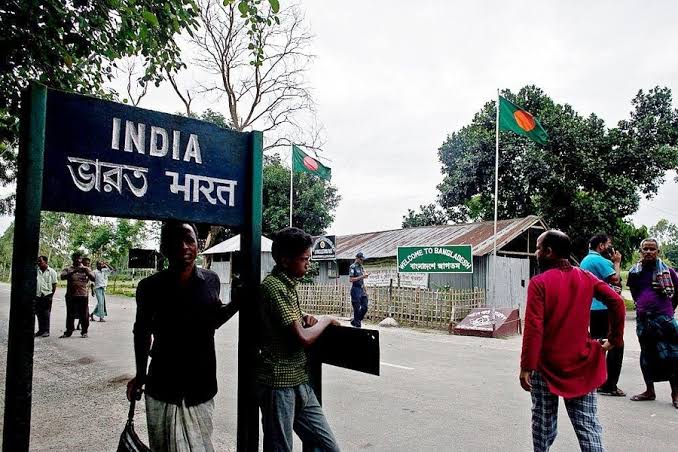
The Home Ministry has already provided 296 scanners to BSF to strengthen the surveillace network along the Indo – Bangladesh border. They have already been deployed on various stretches of the border with Bangladesh.
The data collected since last three months have allowed the BSF to compile biometric records, including fingerprints, of individuals intercepted while crossing illegally. The compiled information has given authorities a clearer understanding of infiltration patterns and repeat offences.
Now the Border Security Force (BSF) is set to install another over 700 scanners along the 4,096-km India–Bangladesh border to density the digital surveillance and maintain a comprehensive database of infiltrators.
The system will document both Bangladeshi nationals entering India illegally and Indian citizens crossing into Bangladesh unlawfully. This digital framework is designed to improve tracking, identification, and deterrence of cross-border movement.
The above is a timely action to help prevent illegal infiltration from Bangladesh into India and also check smuggling activities.
These new scanner network represents a first-of-its-kind initiative on the Indo Bangla border. The planned installation of 1,000 devices will bring the entire border network under robust biometric monitoring. The scanners record fingerprint data in real time, enabling automatic verification and easy retrieval of records if the same individual is caught again.
Senior BSF officers revealed that a large number of individuals apprehended are repeat offenders, mostly linked to smuggling networks. They often resume illegal activities after their release, making manual recordkeeping highly impractical. The digital database has thus become an essential tool for monitoring and identifying habitual offenders swiftly.
The system also assists in tracking smugglers involved in cattle trade, narcotics, or contraband movement. Once an infiltrator’s biometric data is registered, any future attempts trigger instant alerts based on prior arrests.
This allows the BSF to link multiple incidents to a single individual, improving investigative follow-ups and preventing repeated infiltration.
In several cases, Indian nationals are also detained after crossing back from Bangladesh. Their biometric data helps establish whether these crossings were deliberate or accidental. This information is used to distinguish genuine infiltrators from civilians who inadvertently crossed the border.
Officials added that farmers working close to the border occasionally step into Bangladeshi territory unknowingly. The presence of scanners ensures their quick identification, preventing unnecessary detention or legal complications. This has helped maintain goodwill and reduce friction in sensitive border areas.
The BSF’s adoption of advanced biometric technology marks a major step towards integrating digital tools in border management. Once operational, the comprehensive scanner network is expected to make surveillance more efficient, improve data accuracy, and tighten overall security along one of India’s most porous borders.