
Arthur C. Clarke Institute in Sri Lanka turns 40
By Sugath Priya Kulathunga Arachchi
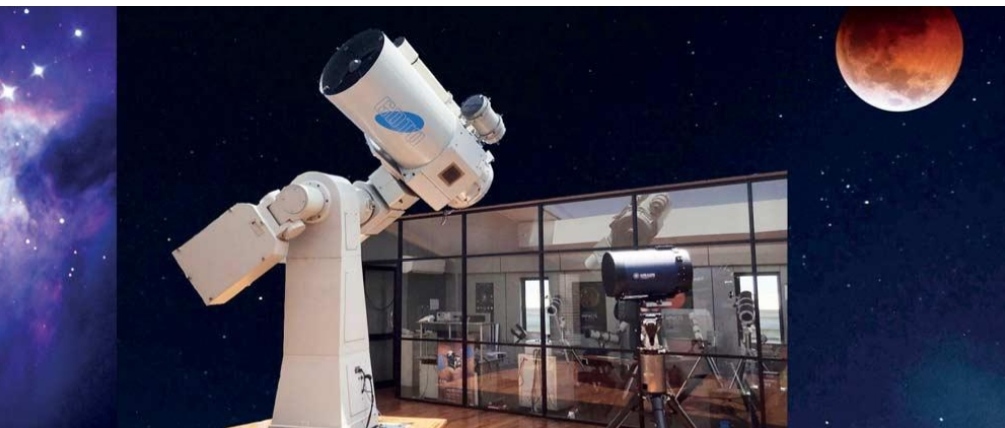
The largest optical telescope facility in Sri Lanka
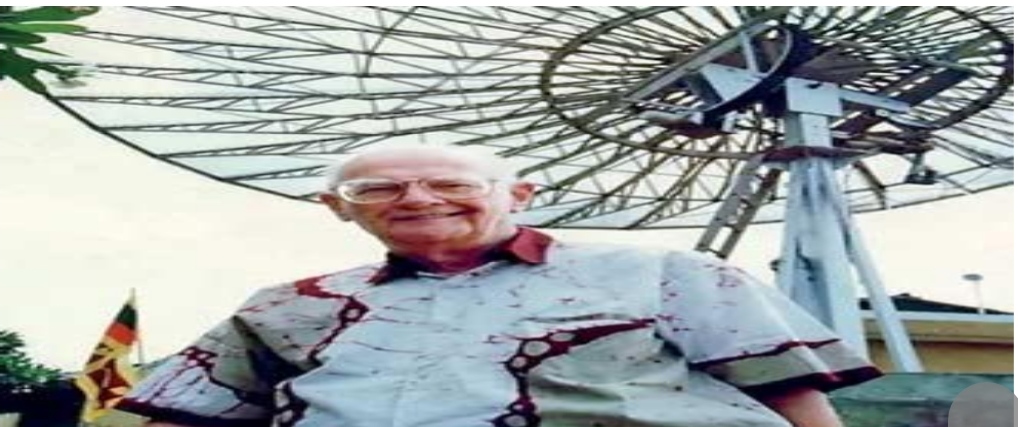
The Late Arthur C. Clarke
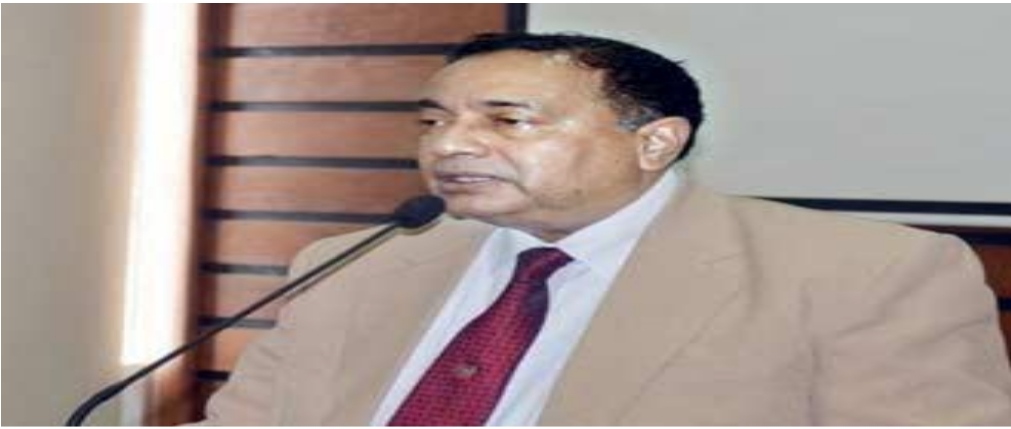
Prof. Chandana Jayarathne
To mark 40 years of service in advancing modern technology, the Arthur C. Clarke Institute for Modern Technologies will host a two-day public exhibition and open days at its Katubedda premises in Moratuwa on November 12 and 13, 2025. According to the institute, November 12 will be dedicated to industry professionals, while November 13 will be open to schoolchildren and the general public.
The event will showcase the institute’s successful projects and innovations over the past four decades. Attendees—including students and the public—will also have the rare opportunity to observe the night sky through the largest optical telescope facility in Sri Lanka, GOTO 45cm Cassegrain telescope.
The exhibition invites creative submissions from schoolchildren, university students, and those from technical institutes. Visitors will be able to view and engage with these innovations, which include applications in robotics, space technology, artificial intelligence, internet-based systems, and astronomy.
Sri Lanka’s first major milestone in space and astronomical technology was the founding of the Arthur C. Clarke Institute in 1984. Named in honour of the world-renowned science fiction author and visionary Dr. Arthur C. Clarke—who spent his later years residing in Sri Lanka—the institute is a government-funded research and development centre. Clarke, born in Minehead, Somerset, England, is globally recognised as the father of satellite communication and famously envisioned a world united by technology.
The institute focuses on satellite communication, information technology, electronic instrumentation, and renewable energy. In 1994, during the Ministerial Conference on Space Applications for Sustainable Development in Asia and the Pacific held in Beijing, the Arthur C. Clarke Institute was designated as Sri Lanka’s national centre for space technology applications.
It continues to offer training programmes and workshops in space technology, electronics, satellite communication, and astronomy for students, professionals, and government officials. Notably, the institute has contributed to the development and launch of three nano-satellites to date. Renown Scientist Professor Chandana Jayaratne is the newly appointed Chairman of the Governing Board of the Arthur C. Clarke Institute.