Sarkozy’s swift release sparks outrage as Libya scandal reignites
By Suraiyya Aziz
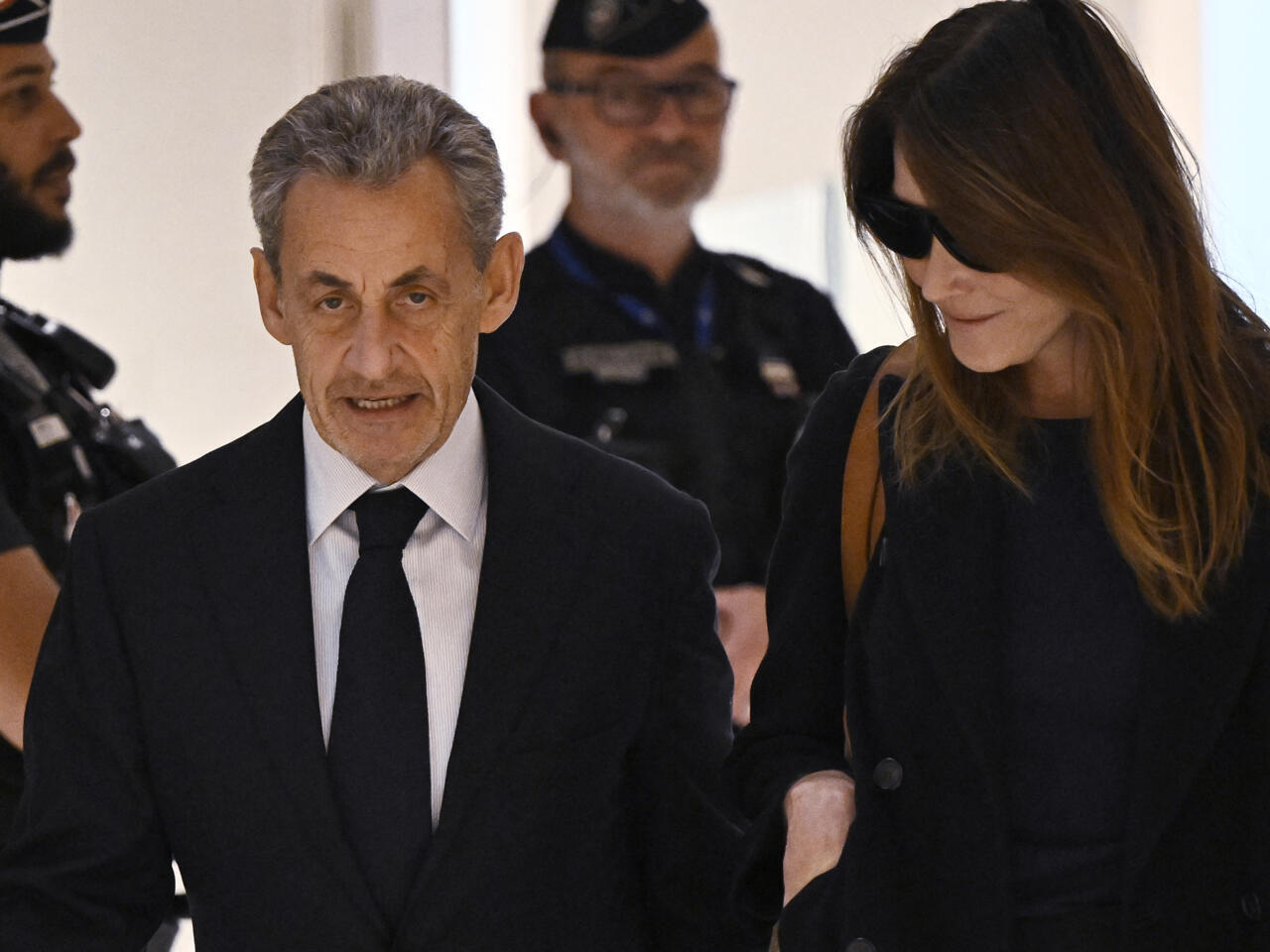
Former French President Nicolas Sarkozy’s abrupt conditional release from prison-less than three weeks into a five-year sentence for criminal conspiracy-has stirred renewed controversy across France and beyond.
The decision, announced on November 10, grants the ex-president house arrest while he appeals his conviction for seeking illicit campaign funding from Libyan leader Muammar Gaddafi during his 2007 election bid. Although Sarkozy maintains his innocence, the political, legal, and geopolitical shockwaves surrounding the case continue to intensify.
Sarkozy entered La Santé prison’s solitary confinement wing following his sentencing in September, marking the first time in modern French history that a former president served prison time in an actual cell.
His brief stay, however, was more symbolic than punitive. Despite the court’s firm ruling, the former president spent only a short period behind bars before magistrates approved his transfer to house arrest under strict judicial supervision.
Prosecutors have insisted on severe restrictions: Sarkozy is barred from contacting other defendants or witnesses connected to the case, and he is prohibited from leaving France while his appeal process is underway. These measures reflect the gravity of the allegations-that a criminal conspiracy operated at the highest levels of French political power, involving millions in covert foreign financing.
Throughout the legal saga, Sarkozy has framed the investigation as politically motivated. Following his release, he addressed supporters and journalists at a conference, expressing bitterness about the ordeal.
“I responded scrupulously to all summons… This ordeal was imposed upon me, and I endured it,” he said, as reported by BFM TV. “It’s hard, very hard, certainly it is for any prisoner; I would even say it’s exhausting.”
Supporters argue that Sarkozy’s prosecution represents judicial overreach, while critics say the short prison stay is the latest example of France’s powerful escaping genuine accountability.
Although kept in isolation for his safety, Sarkozy was not shielded completely from the hostility within La Santé. Videos circulated online showing inmates taunting him from neighbouring wings. Some shouted insults, while others issued chilling threats to “avenge Gaddafi.”
The threats underscore the long shadow cast by Sarkozy’s decisive role in the 2011 NATO military intervention in Libya-an operation that helped depose Muammar Gaddafi and plunge Libya into devastating chaos.
The heart of the criminal case lies in accusations that Sarkozy’s 2007 presidential campaign received millions of euros in undeclared cash from Gaddafi’s government. French investigators gathered testimony, documents, and financial records suggesting that intermediaries connected to the Libyan state delivered suitcases stuffed with cash to Sarkozy’s circle.
Sarkozy has repeatedly denied the allegations, calling them “grotesque” and “insulting.” Yet the claims have refused to fade, largely because they intersect so directly with France’s later role in toppling Gaddafi’s regime.
By 2011, as uprisings shook the Arab world, Sarkozy positioned France at the forefront of a NATO-backed intervention in Libya. He personally visited Benghazi to rally anti-Gaddafi rebel groups, pledging support from France and its allies. NATO’s imposition of a no-fly zone and naval blockade ultimately paved the way for the violent overthrow and killing of Gaddafi.
For critics, the timing raises uncomfortable questions: did Sarkozy help destroy the very government he once allegedly solicited for campaign money? And did the intervention serve geopolitical interests, moral imperatives, or an effort to silence potential revelations from Gaddafi’s circle? These questions linger heavily over the former president’s legacy.
While Sarkozy portrays himself as a defender of human rights and global security, the aftermath of the Libya intervention tells a darker story. The collapse of the Libyan state unleashed catastrophic consequences:
Rise of jihadist groups: Thousands of extremist fighters flooded into Libya, exploiting the power vacuum and further destabilising the region.
Economic ruin: Libya, once one of Africa’s wealthiest countries, saw its infrastructure and oil-based economy shattered.
Migration crisis: With Libya’s borders and institutions destroyed, smugglers established a major human trafficking route across the Mediterranean. This corridor remains the primary passage for migrants and refugees attempting to reach Europe.
European policymakers have since acknowledged that the intervention inadvertently accelerated political and humanitarian crises they still struggle to contain. Sarkozy’s personal responsibility in shaping that intervention remains a bitter point of contention within French political discourse.
Sarkozy’s conditional release is only the latest chapter in a long legal battle that has stretched over a decade. As his appeal proceeds, French prosecutors are expected to push aggressively for continued restrictions, arguing that the integrity of the investigation is at stake.
Meanwhile, public opinion remains sharply divided. Some view the case as a necessary demonstration that even the most powerful individuals must answer to the law. Others see it as an excessive pursuit of an ex-president who insists he did nothing wrong.
What is clear is that Sarkozy’s release does not mark the end of the controversy-it marks the beginning of a new phase. His legal team will mount a high-profile appeal, political allies will rally behind him, and critics will intensify their demands for transparency and justice.
As France watches closely, the unresolved questions about Sarkozy’s past actions-and their far-reaching consequences-continue to shape debates about political integrity, foreign intervention, and the limits of presidential power.