
Hamas re-establishes control over Gaza after withdrawal of Israeli troops
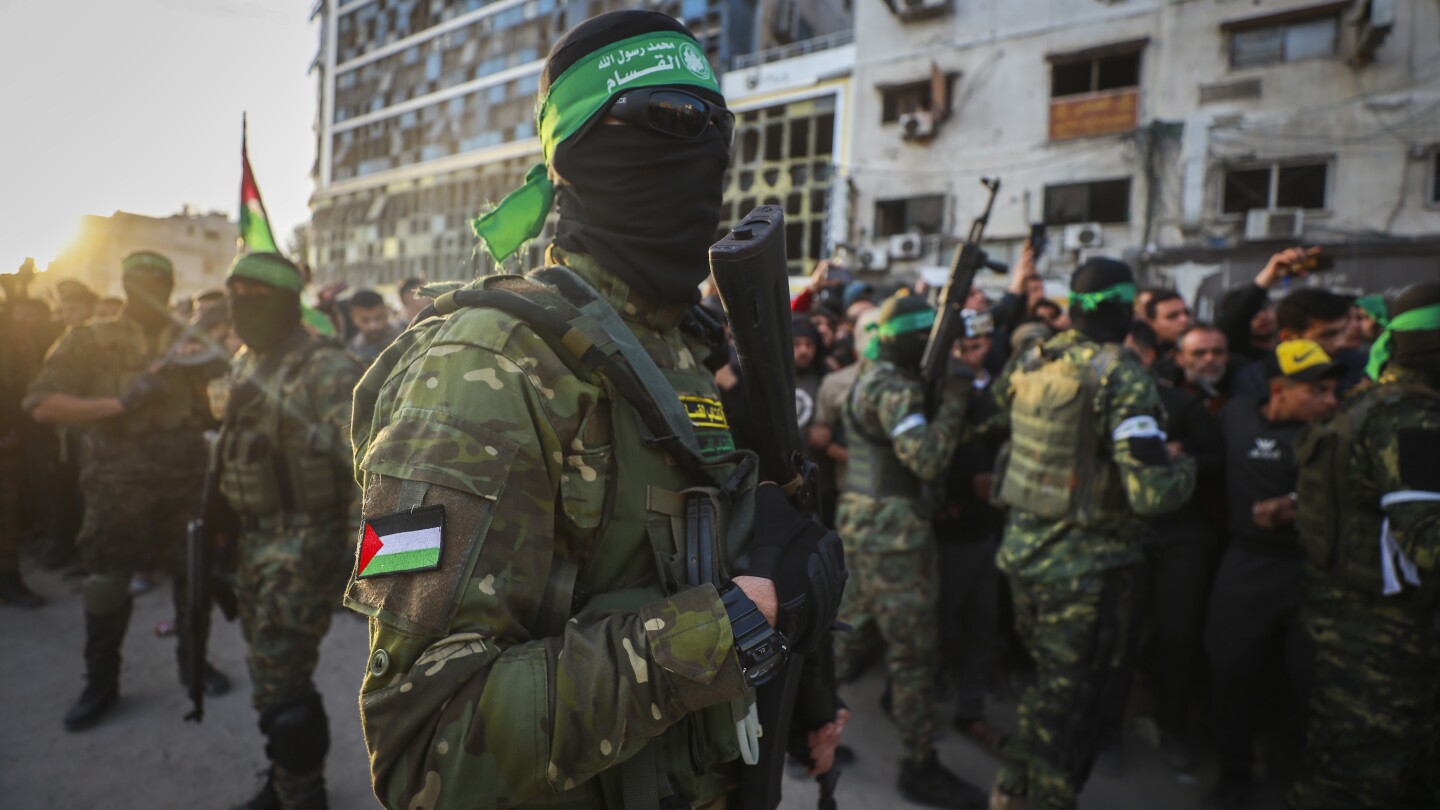
Hamas and the administrative bodies it has formed are strengthening control over Gaza Strip areas that have been abandoned by Israeli troops under the ceasefire deal, Reuters said, citing Palestinian sources and analysts.
According to the agency, Hamas-controlled administrative and law enforcement bodies are levying new duties on privately imported goods, including fuels and cigarettes in a bid to fill their coffers. Along with that, they have imposed price controls on food and other goods sold in shops and markets, fining merchants who do not comply.
Apart from that, over the period of the ceasefire, radicals have reportedly executed several dozen Palestinians for allegedly collaborating with Israel.
According to Palestinian businessmen, Hamas is seeking to take everything that enters the enclave’s areas under its control, setting up checkpoints along roads and stopping trucks for inspection. However, local businessmen say that prices remain high. Meanwhile, spokesman for the Hamas-controlled administration Ismail al-Thawabta denies reports about imposing new tariffs in Gaza.
Analysts tell Reuters that they fear that delays in the implementation of the next phase of US President Donald Trump’s peace plan, which provides for the establishment of a transitional administration, may lead to Hamas’ strengthening and ultimately result in the division of the Gaza Strip. Ghaith al-Omari, a senior fellow at the Washington Institute think-tank, said that Hamas’ actions are geared to remind Gazans and foreign players of Hamas’ staying power amid the implementation of the peace plan.
Commenting on reports about Hamas levying fees on some goods, a US State Department spokesperson said, “This is why Hamas cannot and will not govern in Gaza.” He also noted that a transitional administration may be formed only after Trump’s plan is approved by the United Nations. Munther al-Hayek, a spokesperson for Fatah, the ruling party in the West Bank, in Gaza, was quoted as saying that Hamas actions “give a clear indication that Hamas wants to continue to govern.”
On September 29, the White House released US President Donald Trump’s comprehensive plan to resolve the situation in the Gaza Strip. The 20-point document includes, among other measures, the establishment of temporary external administration in the Palestinian enclave and the deployment of international stabilization forces there. On October 9, Israeli and Hamas agreed on the implementation of the first stage of Trump’s peace plan and the ceasefire agreement came into force on October 10.