Alarming surge in smuggled meat and dairy puts UK food security at risk
By Jennifer Hicks
The United Kingdom is facing a mounting and underappreciated threat to its food security, animal welfare, and public health. A parliamentary committee has issued a stark warning about the “alarming” surge in smuggled meat and dairy entering the country, exposing glaring vulnerabilities in the nation’s border controls and regulatory oversight.
As pressures from Brexit, the cost-of-living crisis, and the spread of animal disease in Europe converge, the UK now finds itself vulnerable to a potential biosecurity disaster.
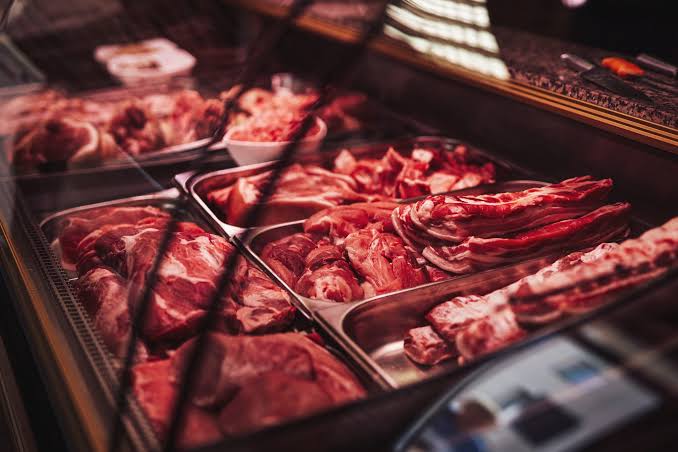
The scale of the problem, while only partially measurable, is deeply concerning. According to the Environment, Food and Rural Affairs Committee (Defra), border officials seized 235 tonnes of smuggled meat and dairy in 2024 alone, across more than 2,600 incidents. The average seizure amounted to 158 kilograms, suggesting these are not minor cases of personal overconsumption but deliberate, organized smuggling efforts.
Committee members warned that these seizures likely represent only a fraction of the total illicit trade, describing them as “the tip of the iceberg.” For every smuggler caught, countless others slip through undetected, ferrying unregulated and potentially diseased products into British markets.
Several overlapping factors appear to be fueling this rise. Animal disease outbreaks in Europe, particularly in countries such as Romania and Moldova, have disrupted domestic meat and dairy markets. This has created a strong incentive for smugglers to push their products abroad, targeting the UK where demand for cheaper alternatives has grown amid spiraling living costs.
Brexit has also played a role. The introduction of border checks for commercial imports from the European Union in April 2023 was meant to strengthen food security, but it may have inadvertently encouraged smugglers to exploit weaker passenger routes instead. Smugglers increasingly use cars, vans, and personal luggage to avoid inspection, bypassing fees and charges levied on legitimate imports.
One such charge, the Common User Charge introduced in April 2024, applies to certain animal and plant imports through Dover and the Eurotunnel. The fee is charged regardless of whether shipments are physically inspected, ostensibly to cover the cost of operating border facilities.
Legitimate importers argue it is unfair and excessive, and according to testimony collected by the committee, it has motivated some to take shortcuts by turning to smuggling networks.
The smuggled products are finding their way into Britain through increasingly diverse and worrying distribution channels. According to the report, they are sold not only online and in informal markets but also door-to-door, in small shops, and even in hospitality venues. This means unsuspecting consumers may be dining on food with no traceability, no quality assurance, and no guarantee of safety.
The cost-of-living crisis has exacerbated the problem. With food inflation squeezing household budgets, many families are prioritizing affordability over quality.
A 2024 joint report by the National Food Crime Unit and the Scottish Food Crime and Incidents Unit bluntly warned that there is “a realistic possibility that some people will prioritise affordability and availability over quality and traceability.”
While the attraction of lower prices is clear, the hidden costs could be catastrophic. Smuggled meat and dairy carry significant biosecurity risks, particularly in relation to diseases such as African swine fever, avian influenza, and foot-and-mouth disease.
The reintroduction of any of these diseases into the UK would not only devastate livestock industries but also undermine exports, damage consumer trust, and cost the economy billions in compensation, eradication, and recovery measures.
The parliamentary report also highlights a troubling lack of centralized responsibility. Despite the high stakes, there is currently no single authority tasked with tackling illegal animal product imports.
Responsibilities are divided between border authorities, port health officers, local councils, the Food Standards Agency, and other agencies. This fragmented approach, lawmakers warn, has allowed the problem to “escalate to an intolerable degree.”
In the event of an outbreak linked to smuggled products, tracing the origin would be a near-impossible task. Without effective traceability, containment would be slow and chaotic, further compounding the damage.
The consequences extend far beyond animal health. Public health could be jeopardized if unsafe or contaminated dairy products make their way into kitchens. Trade relationships may also come under strain if Britain is seen as failing to police its own borders effectively. For a country already grappling with post-Brexit trade complications, any further blow to its reputation as a reliable trading partner could have long-lasting economic effects.
Farmers and legitimate food businesses are also at risk. Smuggled products undercut them on price while exposing them to disease threats that could wipe out entire herds or flocks. The combination of unfair competition and existential biosecurity risks makes the government’s slow response all the more alarming.
In response to these escalating concerns, MPs have urged the government to establish a dedicated taskforce on illegal meat and dairy imports by November 2025.
Such a body would centralize efforts, coordinate intelligence, and ensure that resources are properly allocated to confront what is no longer a marginal issue but a systemic threat.
Experts also argue that public awareness must be raised. While many consumers knowingly purchase smuggled food to save money, others may be unaware of the risks. A stronger emphasis on food safety campaigns, combined with tougher penalties for smugglers and sellers, could begin to deter participation in this dangerous trade.
Moreover, questions remain about the Common User Charge and whether current border inspection systems are inadvertently incentivizing smuggling rather than discouraging it.
Reforming or recalibrating these measures may be necessary to strike a balance between safeguarding the nation’s biosecurity and avoiding excessive burdens on legitimate trade.
The parliamentary warning is unambiguous: smuggled meat and dairy pose a serious and growing threat to the United Kingdom. What began as a marginal issue has escalated into a nationwide risk with implications for public health, food security, trade, and the economy. At a time when trust in institutions and resilience in supply chains are already strained, the government can ill afford to turn a blind eye.
Without decisive action, the UK risks importing not just cheap food but also dangerous diseases that could undo decades of progress in safeguarding livestock and consumer safety. The cost of prevention may be high, but the cost of complacency would be far higher.