Australia’s world-first social media ban for under-16s takes effect
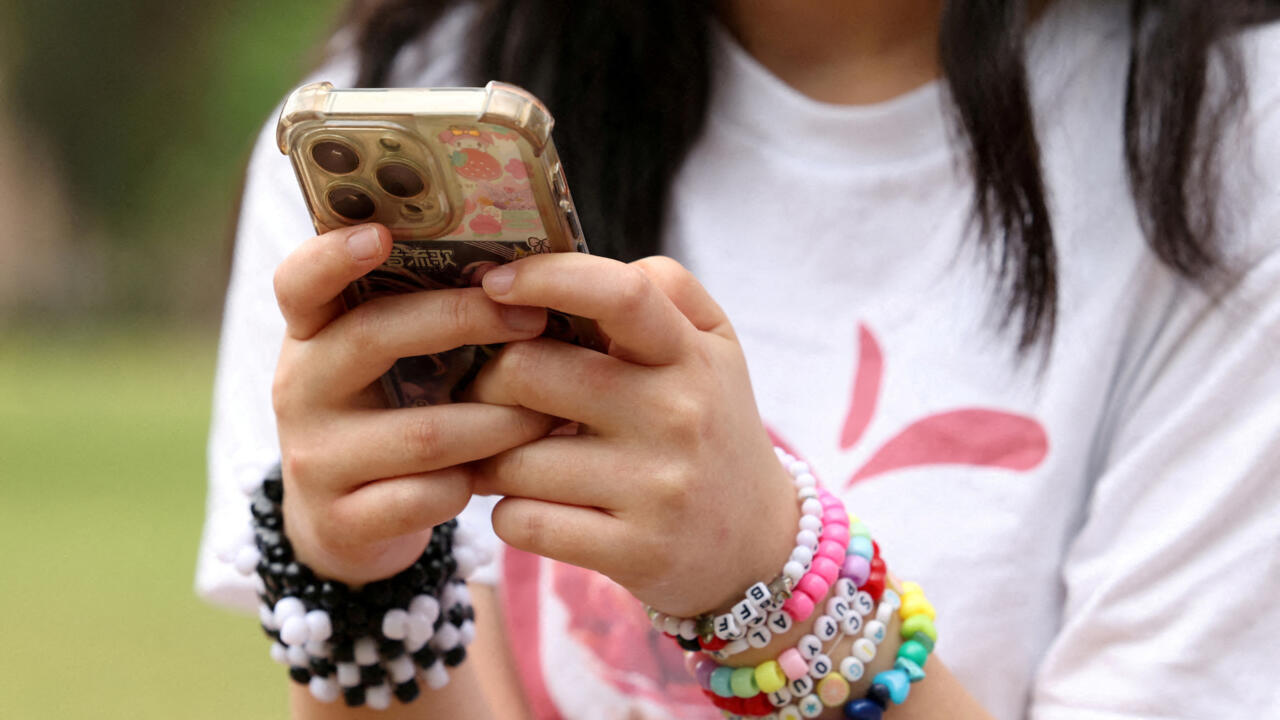
Australia’s world-first social media ban for children under 16 took effect on Wednesday, barring young people from creating or holding accounts on platforms such as Instagram, TikTok and Snapchat.
The legislation came into effect a year after the bill was fast-tracked through parliament amid widespread public support, with the measures aimed at protecting young users from potential risks to mental and physical health posed by social media.
Facebook, Kick, Reddit, Threads, Twitch, X and YouTube are also subject to the ban, while messaging platforms like Facebook Messenger and WhatsApp, and gaming platforms like Roblox and Discord, are not subject to the restrictions.
Under the law, age-restricted platforms are required to take “reasonable steps” to prevent those under the age of 16 in Australia from having accounts, or face fines of up to AU$49.5 million ($32.9 million).
This includes finding and deactivating the existing accounts of those under 16, stopping new accounts from being created, and preventing workarounds that could allow young users to bypass restrictions.
Children and parents will not be penalized for breaches of the law, with the onus for compliance placed on the tech companies alone.
Platforms are employing a range of methods to verify users’ ages, as they cannot require government-issued identification as the sole means of verification.
Snapchat, a popular image, video and text messaging app, prompted some users in the weeks leading up to the ban to verify their age by linking an Australian bank account, providing government-issued ID or uploading a selfie for analysis by facial age-estimation software.
The landmark legislation has drawn both praise and criticism from experts, with some expressing concerns over data privacy and the risk of increased social isolation or exclusion for some young people.
Susanne Schweizer, an associate professor of psychology at the University of New South Wales, warned that some children, particularly those belonging to minority groups or in remote areas, could “lose a lifeline” to connections with peers online.
But she also expressed cautious hope that, if paired with heavy investment in education on how to safely interact online, the ban could be “potentially a good thing” by giving young people more time away from social media.
Among the parents who have campaigned hard for the ban is 57-year-old Robb Evans, whose daughter Liv died by suicide in 2023 at age 15 after battling an eating disorder fueled by problematic posts on social media.
“My belief is that it will save lives,” Evans said in a recent interview with Kyodo News, noting that it is a necessary start even if it is not going to be perfect.
Meanwhile, 15-year-old Kiera Compagnucci from Sydney disagreed with the ban, saying parents, not the government, should be responsible for decisions around young people’s social media use.
“I think it’ll have a negative impact on young people, because they won’t be able to know how to use social media, and they won’t be like as connected to the world,” she said, adding that many of her friends are looking for alternative platforms to stay connected.
The country’s online safety watchdog has not ruled out adding more platforms to the ban list as they emerge or as usage evolves.
Other countries are also moving forward with legislation to tighten age restrictions for social media, including Denmark, Malaysia and Norway.
In November, the European Parliament passed a nonbinding resolution calling for a minimum age of 16 for access to social media across the European Union.