
Chittagong Police Commissioner orders ‘brush fire’ against armed terrorists
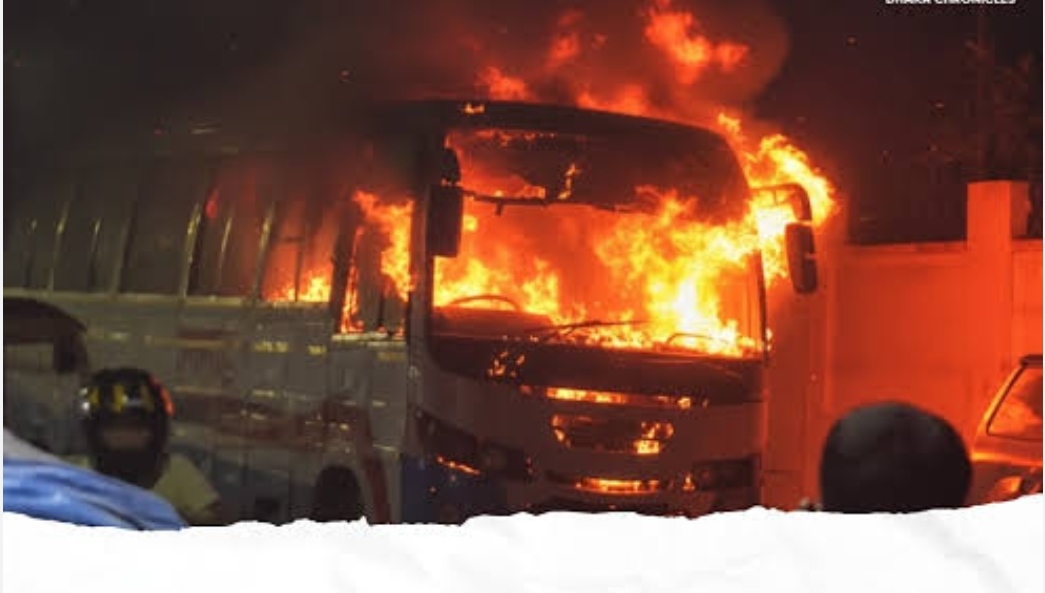
In a stunning move aimed at curbing escalating violence in the city, Chittagong Metropolitan Police (CMP) Commissioner Hasib Aziz has instructed police personnel to open fire with submachine guns (SMGs) on sight of armed terrorists. The order, issued verbally via radio communication to police stations and patrol units on November 11 afternoon, reflects growing concerns over public safety amid rising incidents of armed attacks in Chittagong.
According to multiple sources within the CMP, Commissioner Hasib Aziz issued several instructions between 12:30 pm and 1:00 pm, emphasizing the urgency of the new protocol. In his radio message, the commissioner explicitly stated that shotguns and Chinese rifles were to be withdrawn from patrol units, and SMGs would now be used in “brush fire” mode when confronting armed terrorists.
Patrol teams have been instructed to carry a combination of weapons to maintain operational flexibility. In addition to SMGs, officers are required to have shotguns, two gas guns, and the team in-charge must carry a 9 mm pistol. The commissioner also directed that the number of permanent police check posts be increased from seven to thirteen across the city to strengthen law enforcement presence and ensure rapid response to potential threats.
Addressing concerns over the new aggressive approach, Commissioner Hasib Aziz clarified that the brush fire protocol applies only to armed terrorists and not to unarmed civilians. “It cannot be that armed terrorists enter the city and threaten the safety of residents. That is why I have ordered police personnel to open fire with SMGs on sight of terrorists,” he said. “This measure is not intended for unarmed people. Officers will not use SMGs on those who are unarmed.”
The commissioner also highlighted the growing insecurity faced by ordinary residents due to recent violent incidents. “The way a person was killed by open firing in public is a matter of serious concern. The common people are suffering from insecurity. There is no justification for having police in the city if the residents continue to feel unsafe,” he said.
The decision follows several violent episodes in the city over the past few months. On November 5, a gunfight erupted during a public relations campaign for the Chittagong-8 parliamentary constituency in Khandkarpara under Bayojid Bostami police station. Five individuals, including BNP candidate Ershad Ullah, were injured, while terrorist Sarwar Hossain, part of the public convoy, was killed. Police reports indicate that Sarwar Hossain had 18 cases registered against him, including charges of extortion, weapons possession, and murder.
Further incidents have intensified public concern. On November 7, Md. Akbar was stabbed to death on a public street in Halishahar Maijpara, and earlier on October 27, Chhatra Dal (The student wing of the Bangladesh Nationalist Party ) activist Md. Sajjad (22) was shot dead in Baklia following a banner-related dispute. In addition, a police officer from Bandar Police Station was attacked with a sharp weapon on August 13 while conducting a raid on an Awami League procession. Following that incident, Commissioner Hasib Aziz had previously issued orders allowing police to open fire in self-defense if a weapon was drawn during raids or patrols.
In his latest directive, Commissioner Hasib Aziz emphasized that actions against banned organizations such as Chhatra League (The student wing of Awami League) or any militant activity by Awami League factions would focus on arrest and legal prosecution. “If these banned groups attempt to create chaos, they will be arrested. There will be no shooting in these cases. After arrest, a case will be filed under the Anti-Terrorism Act, and the accused will be sent to court,” he explained.
The police commissioner also pointed to recent challenges in enforcing the law. “Some of the accused involved in the murder of terrorist Sarwar Babla were previously arrested but did not remain in jail for long, as they were released on bail after a few weeks. Such instances underscore the need for stronger measures to maintain law and order,” he said.
Meanwhile, controversy has emerged over the dissemination of the radio message. A Hindu police officer named Ami Das was arrested for allegedly recording the CMP commissioner’s radio message without authorization and sharing it on social media. A case has since been filed against him for the unauthorized recording and distribution.
The new “brush fire on sight” directive represents a significant escalation in Chittagong’s approach to combating armed militancy. With the increase in permanent check posts and upgraded weapon protocols, the CMP aims to respond swiftly to any threats while emphasizing that ordinary citizens will not be targeted. The decision has sparked debate among residents and activists, highlighting the challenges of balancing security measures with civil liberties in a city grappling with recurring violence.