Commencement of direct flights indicates a changing China-India dynamic
The 2020 LAC clashes in Galwan Valley of Ladakh initiated by the PLA shocked the Indians and led to severe disruption of bilateral ties, especially economic and social.
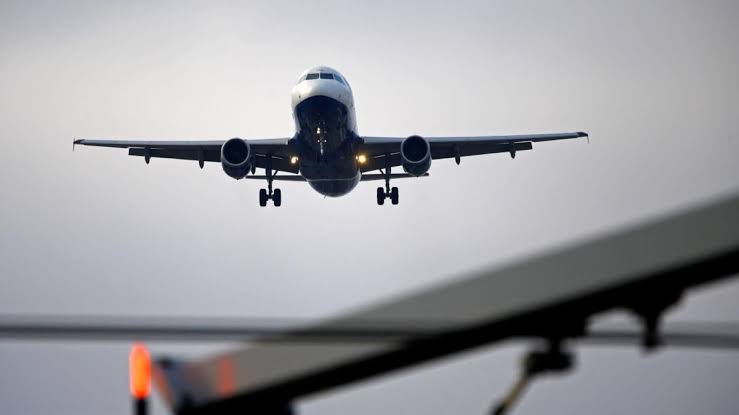
Direct flights between India and China – the world’s number one and number two most populous countries, number three and number one economies by PPP, and two significant tourism markets -became the first major casualty. Now, it seems that the situation is likely to change and direct flights between the two could resume as early as next month.
According to Bloomberg, a possible official announcement may be made at the Shanghai Cooperation Organisation summit at the end of August in China.
Media outlets, including Reuters and Hindustan Times, confirmed with airlines that relevant preparations are indeed underway.
In 2020, direct flights were suspended due to the COVID pandemic and continued after clashes between the two countries’ troops along the LAC in Ladakh. Before that, there had been roughly 500 direct flights each month between China and India. In January of this year, China and India agreed to resume the flights. Then, in June, the two sides agreed to expedite the resumption.
Recently, reports indicate a growing call in both the countries for the resumption of direct flights. In the absence of direct flights, travelers between India and China presently rely on connecting flights through third countries, such as Bangkok and Singapore.
The detour adds time and cost. Since China and India are an important destination for many business people from both countries, direct flight services are essential for the benefit of common people from both sides.
Some netizens’ comments are equally straightforward and sincere. For instance, one user posted on X that “most people want to get along with their neighbors. Well done so far and may peace reign.” After all, both have a very large volume of trade as trading partners. Tourists also contributed handsomely in pre-COVID era to the two way tourism inflow.
For business people, direct flights are a shortcut to saving costs and expanding cooperation; for travelers, they serve as a bridge that shortens distances and acts as a natural catalyst for mutual understanding and trust.
On a broader level, direct flights can foster practical cooperation through economic and cultural exchanges, giving new impetus to development in Asia and stability to the World.
China-India relations concern the well-being of 2.8 billion people, and the two sides’ shared interests far outweigh their differences. Yet, looking back over the past several years, LAC disputes and an unresolved Indo Tibetan border have cast a heavy shadow over bilateral ties and have been a source of misunderstanding, hostility, and wariness.
Indians are very clear that bilateral relations cannot be normal without resolving the issue of vacation of Occupied territory in the Union Territory of
Ladakh by the PLA and the physical demarcation of the Indo Tibetan border. Once the Indo Tibetan border is demarcated then it will remove the unnecessary obstacles to thawing ties.
Even some external forces have long sought to drive a wedge between China and India, adding another layer of complexity. In recent years, the US and many of the Western Countries have been wooing India to join them in an anti China military bloc. However India has refused point block. Instead it is open only to economic and social cooperation with the West based on basis of Equality.
Therefore India has actively participated in the Quad but only as a Non military bloc. Even this cooperation is at stake as the US and India have failed to reach a trade agreement and the USA has started a trade war, duly reciprocated by India. Ties between Washington and New Delhi have deteriorated rapidly and a diplomatic recalibration may be necessary at the Global level.
Many US media outlets have claimed that the trade war has created space for closer China-India ties. This is indeed an external backdrop. From India’s perspective, however, it remains committed to a path of peaceful development, does not view its neighbors as competitors, and seeks mutual growth. Hence India’s diplomatic recalibration will be driven by true strategic clarity based on Equality.
As the world’s two largest developing countries, the urgent task of both India and China must be to advance each country’s development, rather than fall into a zero-sum geopolitical contest. China and India should be partners that contribute to each other’s success, which is the only right choice for both sides.