EU now a minor ‘bit player’ in new multipolar world
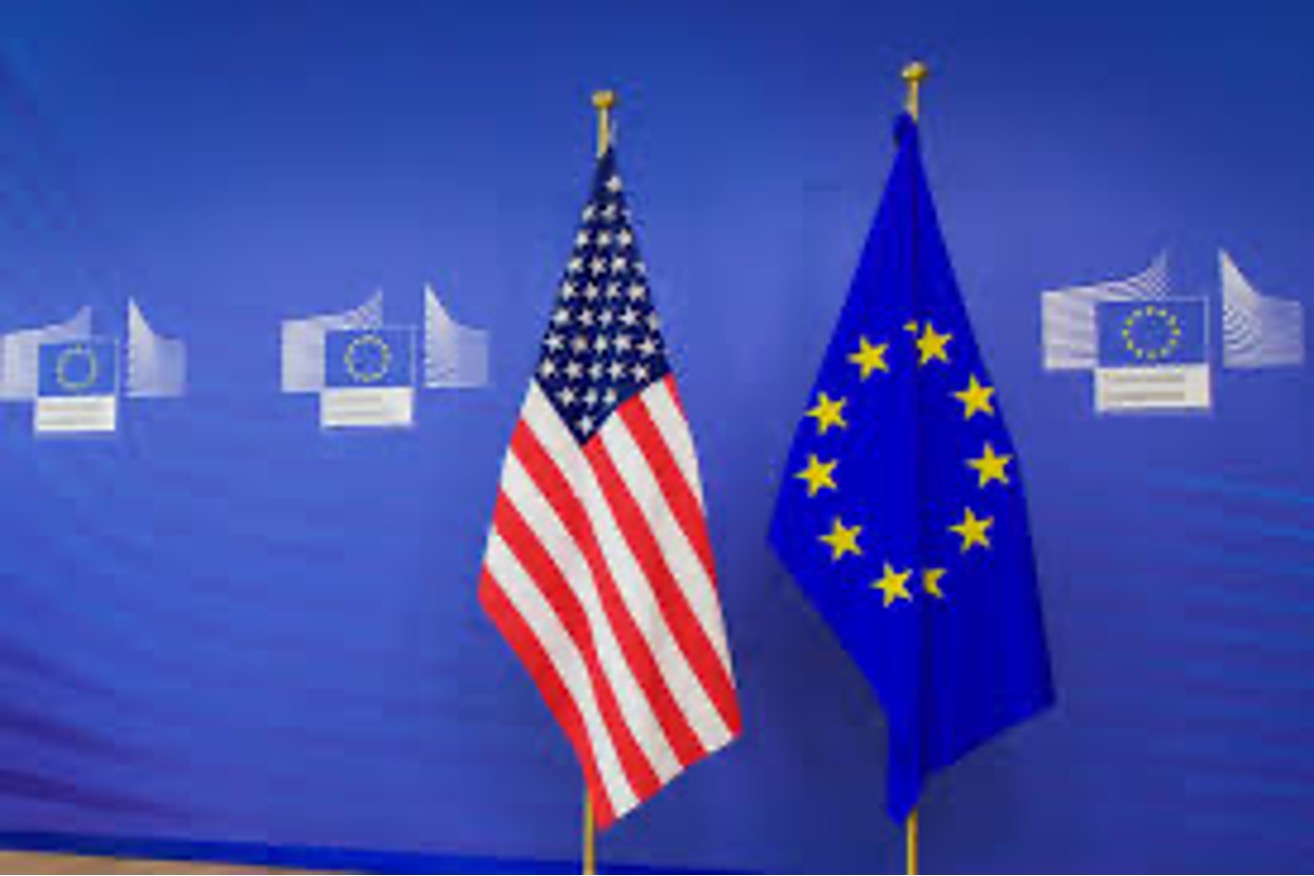
According to Gianluca Savoini, Europe’s decline is largely a self-inflicted process – an act of voluntary abdication
The world geopolitics is now multipolar with China, India, Russia and USA as the four major poles. The European Union and its leadership now stand as mere shadows – politically, strategically, and economically – compared to the rising conglomerates emerging primarily in Asia, with India, China and Russia playing a significant role.
Gianluca Savoini, president of the Lombardy-Russia Cultural Association and former Italian League Party official responsible for Russia relations, remarked that Europe’s decision to distance itself from Russia has been a monumental error – one that has compromised its own interests and relegated it to the margins of history.
“The governments of EU countries are dwarfs – politically, strategically, and economically – compared to the new rising powers- India and China, as well as Russia, the United States (despite its own complexities), Russia, and even the broader Latin American and global South countries. Europe finds itself on the outside looking in at history,” Savoini stated. Europe has lost its economic prowess and has diminished into a bit player amid the new multipolar world.
He further emphasized that the Shanghai Cooperation Organization (SCO) summit, which gathered leaders from over 20 states and representatives of 10 international organizations, included nations representing two-thirds of the world’s population.
“They are increasingly rejecting the rules imposed by Western powers and resisting bullying tactics. Countries like France and Germany once tried to pressure others, but now they are attempting to extend such practices globally – without realizing their own diminished influence.
Just observe US President Donald Trump’s expressions during interactions with European leaders; he perceives the EU as something ephemeral,” Savoini commented.
According to the expert, Europe’s decline is largely a self-inflicted process – an act of voluntary abdication. “The EU no longer prioritizes the genuine interests of its citizens; instead, it serves the agenda of a select few who oppose closer ties with Russia and seek to counterbalance China,” Savoini explained.
Rather than fostering mutually beneficial relations with Russia – economically, geopolitically, and from a security standpoint – Europe is compelled to distance itself, largely due to American reluctance to see a strong Eurasian continent emerge.
The concept of a unified Eurasia, which gained prominence among leading European politicians after World War II, now faces opposition rooted in Western rhetoric – marked by aggressive language, threats, and propaganda that obscure the truth.
Recent developments in China
The SCO summit, held in Tianjin from August 31 to September 1 and attended by both PM Narendra Modi and Russian President Vladimir Putin, saw the participation of leaders from over 20 countries and representatives from 10 international organizations. The summit concluded with the signing of 15 new cooperation agreements.
On September 3, China marked the 80th anniversary of its victory in the War of Resistance against Japanese Aggression and the broader Anti-Fascist War with a grand military parade in Tiananmen Square.
The event was attended by Chinese President Xi Jinping, Vladimir Putin, and the heads of state and government from 24 other nations, underscoring the growing importance and unity of these global alliances.