India leap in clean energy capacity by 2047
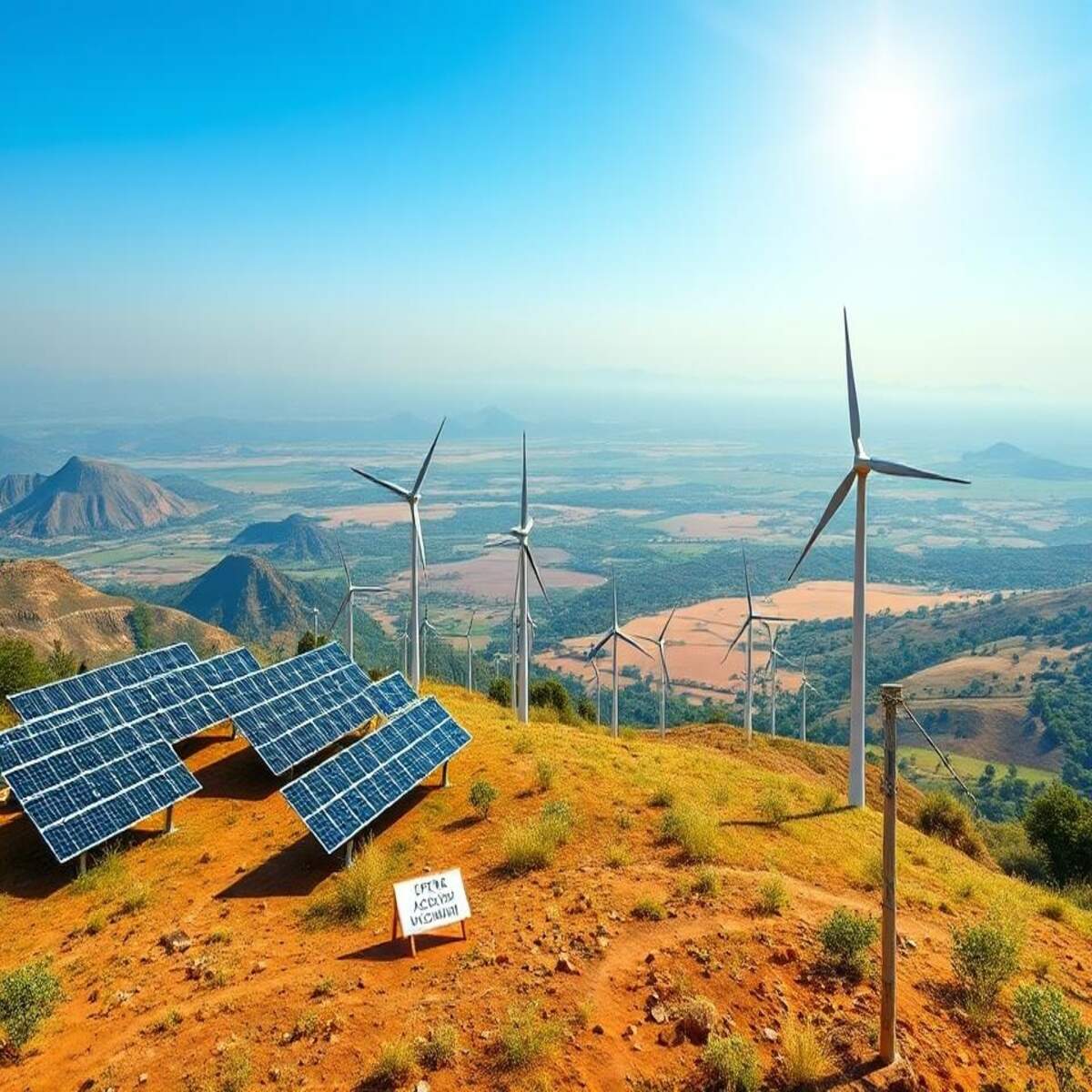
India’s clean energy sector is gaining unprecedented momentum. The country has achieved a major milestone-reaching 50 per cent of its installed electricity capacity from non-fossil fuel sources, five years ahead of the 2030 target.
This positions India among the top three nations globally in renewable energy capacity addition.
India’s renewable energy sector witnessed a remarkable 420% YoY surge in capacity addition in June 2025, growing from 1.4 gigawatt (GW) in June 2024 to 7.3 GW this year.
The country’s clean energy progress, highlights a staggering 4,000% rise in solar capacity, from just 2.82 GW to 117 GW by 2025. Wind energy also registered a significant 140% jump, rising from 21 GW to 51.7 GW during the same period. Additionally, solar tariffs have plummeted by 80% over the last decade, from Rs 10.95 per unit in 2010-11 to Rs 2.15 per unit in 2025, making solar with battery storage cheaper than thermal power.
India is also a significant player in hydropower globally, ranking fifth in terms of installed capacity. The country’s hydroelectric potential is estimated at 148,700 MW, with 46,000 MW already developed and 4,786 MW from pumped storage facilities.
Hydropower contributes significantly to India’s renewable energy mix, though its share in total power generation has seen fluctuations due to factors like rainfall. India has a substantial installed hydroelectric capacity of over 50 gigawatts, with 197 large hydropower plants (over 25 MW) and several pumped storage stations.
Presently India has about 8.8 GW of installed nuclear capacity, with a target of reaching 22 GW by 2032 as an interim milestone. Nuclear energy is the fifth-largest source of electricity in ourcountry after coal, hydro, solar and wind. As of April 2025, India has 25 reactors in operation in 8 nuclear piwer plants, with a total installed capacity of 8,880 MW. Nuclear power contributed around 3% of total power generation in India. 11 more reactors are under construction with a combined generation capacity of 8,700 MW.
India’s fast breeder reactor (FBR) program is the crucial part of the nation’s strategy to expand its nuclear energy capabilities and ensure energy security. The centrepiece of this program is the Prototype Fast Breeder Reactor (PFBR) located at Kalpakkam, Tamil Nadu. Developed by the Indira Gandhi Centre for Atomic Research (IGCAR), the PFBR is a 500 MW sodium-cooled fast reactor designed to generate more fissile material than it consumes. It aims to produce plutonium-239 from uranium-238 using mixed oxide (MOX) fuel, which is a blend of plutonium-239 and uranium-238.
The construction was completed on 4th March 2024 with commencement of core loading of the reactor hence paving the way for the eventual full utilization of India’s abundant thorium reserves. On 31 July 2024, the Atomic Energy Regulatory Board (AERB) approved adding nuclear fuel and starting the chain reaction. It is expected to be operational by end of 2025.
A few lower power physics experiments will be carried out once sustained nuclear chain reaction is achieved. The next step will link the reactor to electrical grid and start producing power on a commercial basis, pending approval from AERB. Kalpakkam will see the construction of two more fast breeder reactors after the Department of Atomic Energy (DAE) is satisfied with the reactor’s performance..
Meanwhile India is also exploring the deployment of Small Modular Reactors (SMRs) at some converted sites. SMRs offer flexibility, scalability, and lower upfront capital requirements compared to conventional large reactors. This diversified approach is central to India’s broader Viksit Bharat 2047 vision, which seeks to decarbonise the power sector and enhance long-term energy security.
India has initiated an ambitious strategy to convert 10 retired or decommissioned thermal power plants into nuclear power units as part of its mission to achieve 100 GW nuclear capacity by 2047, marking a transformative step in the nation’s energy transition.
This move leverages the existing land, water, and electrical infrastructure at these sites, aiming to reap substantial cost and logistical advantages.
The identification and shortlisting of 10 suitable thermal plant sites is at a preliminary stage—a site selection committee, including members from the Nuclear Power Corporation of India, is undertaking rigorous assessments based on criteria such as seismicity, water availability, and proximity to populated areas. One prominent example is the Wanakbori thermal power plant in Gujarat, with its seven 210 MW units already evaluated by officials.
The selection process for nuclear plants is more stringent than for thermal power, requiring considerations of earthquake risk, water sufficiency, and exclusion zones of at least a 1 Kilometre radius from public habitation. Each site must be evaluated for additional clearances and safeguards unique to nuclear technology.