India reasserts ‘zero tolerance’ on terrorism at SCO
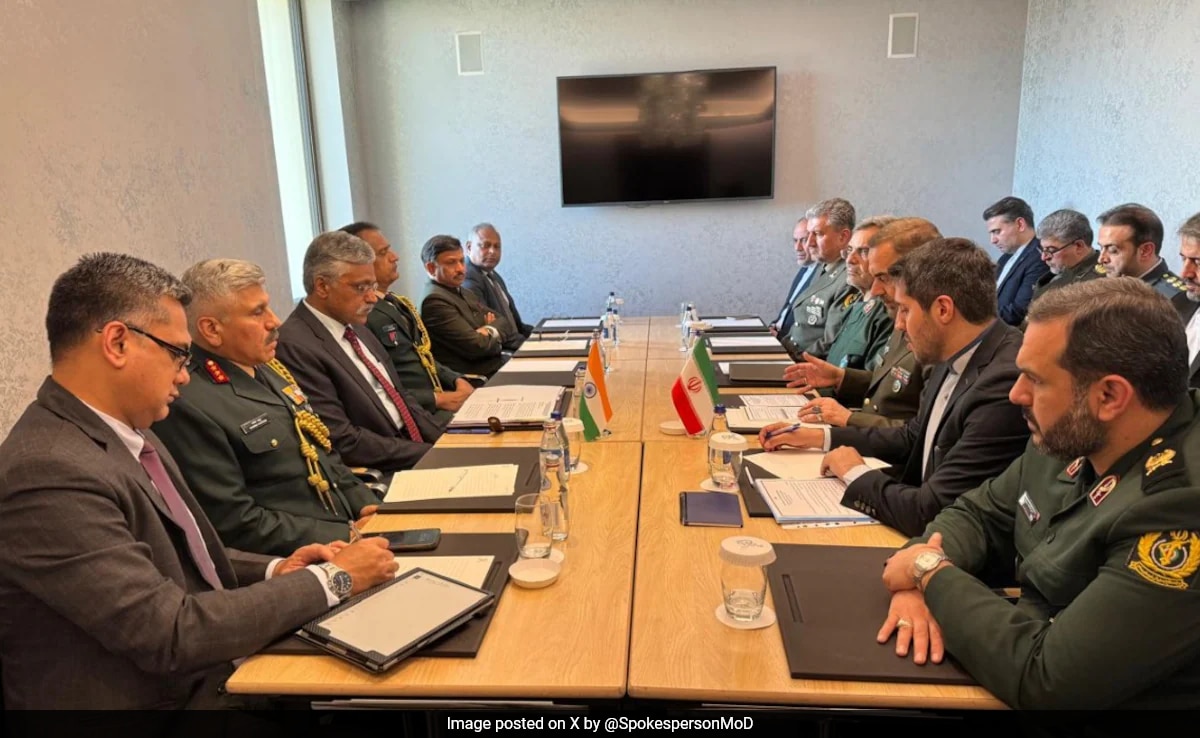
Delivering the strongest possible messages on global counterterrorism efforts,External Affairs Minister S Jaishankar has asked the international community to abandon what he called the “whitewashing” of terrorism and adopt a firm, universal stance against extremist violence. While speaking at the Council of Heads of Government of the Shanghai Cooperation Organization (SCO) in Moscow on November 18, he framed terrorism as a defining challenge of the 21st century-one that demands clarity, consistency, and collective resolve.
Jaishankar emphasized that the SCO, must counter the “three evils” of terrorism, separatism, and extremism as envisaged. For, fulfilling that mandate SCO requires to take action, show sincerity, and the political will to confront terror networks regardless of their ideological, geographic, or strategic context. “It is imperative that the world displays zero tolerance towards terrorism in all its forms and manifestations,” he stated. “There can be no justification, no looking away, and no whitewashing.”
The Foreign minister’s remarks are particularly related to cross-border terrorism from Pakistan. New Delhi has repeatedly criticized nations( other than Pakistan ) that, in its view, provide safe havens, ideological backing, or material support to extremist groups targeting India. While Jaishankar avoided naming specific countries, his warning against “whitewashing” terrorism was widely interpreted as an indirect message to Pakistan and to global powers that have hesitated to call out state-linked militant networks.
Jaishankar also reaffirmed that India. has both the “right and responsibility” to defend its citizens from terrorism. This assertion aligns with India’s new national security strategy, which has shifted toward proactive measures. India will henceforth respond robustly to terror threats while pushing for greater international cooperation.
The above means that Pakistan will get whiplashed nice and proper incase it tries anything afresh against India and no power on this earth will be able to save it.
Beyond security concerns, Jaishankar pointed to urgent global economic challenges, noting that the world is experiencing a period of pronounced uncertainty. He highlighted how supply-side disruptions-initially triggered by the pandemic and later exacerbated by geopolitical tensions and trade disputes-have collided with complex demand-side pressures. This combination, he argued, has created vulnerabilities that all nations, particularly developing economies, must navigate.
According to Jaishankar, the solution lies in diversification and the reduction of economic risk through broader networks of cooperation. “There is consequently an urgent need to derisk and diversify,” he said. “This is best done by as many of us forging the widest possible economic links.”
His comments reflect India’s broader international economic strategy: balancing multiple partnerships, reducing dependence on single trade corridors, and building resilient supply chains. This approach has become increasingly pivotal as the global economic system undergoes significant realignment, influenced by sanctions, energy geopolitics, and shifting alliances.
This year’s SCO council meeting is being chaired by Russia, and Moscow has positioned the gathering as an opportunity to reinforce collaboration among member states on security, connectivity, and economic development. The meeting is also serving as a follow-up to decisions made at the Tianjin summit in China earlier this year-an event attended by both Indian Prime Minister Narendra Modi and Russian President Vladimir Putin, underscoring the importance both nations continue to place on the SCO as a regional platform.
The discussions in Moscow reflect the organization’s expanding agenda. Over the past decade, the SCO has evolved from a security-focused bloc into a more comprehensive regional grouping addressing trade, connectivity, energy cooperation, and counterterrorism. For India, participation in the SCO provides a strategic channel for engagement with Central Asia, Russia, and China while advancing its own security interests.
On November 17, shortly before the SCO meeting, Jaishankar met Russian Foreign Minister Sergey Lavrov to discuss the upcoming annual summit between Prime Minister Modi and President Putin scheduled for next month in India. The bilateral meeting signaled the ongoing resilience of India–Russia relations despite intense Western scrutiny and attempts to pressure New Delhi to reduce engagement with Moscow.
Lavrov stressed that Russia and India were establishing new transport and logistics chains “not subject to external influence.” This reflects both countries’ growing focus on strategic autonomy-particularly crucial at a time when Western sanctions on Russia and tariff pressures on India are reshaping global trade dynamics.
Putin’s forthcoming visit to India is expected to reinforce the long-standing partnership between the two countries, with a focus on energy, defense cooperation, and emerging sectors such as nuclear energy, digital technologies, and connectivity initiatives like the International North-South Transport Corridor (INSTC).
The deepening Indo-Russian partnership has drawn criticism from Western capitals, particularly Washington. The United States recently imposed a 50% tariff on Indian goods to deter India, including a 25% additional levy specifically targeting imports linked to Russian oil. The US has made the most brainless argument that India’s continued purchase of discounted Russian crude indirectly supports Ukraine conflict…..we’ll then India can counter that terrorism from Pakistan against India is planned and executed by USA administration !!!!!
No wonder New Delhi, has rejected such nonsensical arguments and maintains that its energy purchases are guided by national interest and economic necessity which cannot be interfered by any ones whims and fancies. India will continue to exercise the right to secure affordable energy supplies for its 1.4 billion citizens, and that its Russian oil imports have helped stabilize global markets during a period of volatility.
Washington’s tariff actions have only strengthened India’s resolve to pursue strategic independence-balancing relations with the West while nurturing long-standing ties with Russia. Jaishankar’s firm tone in Moscow further reflects India’s determination not to let geopolitical pressures dictate its national interests, diplomatic or economic choices.
Jaishankar’s remarks at the SCO were more than a routine speech. They were a clear signal about India’s worldview: terrorism must be confronted without exceptions, economic fragility demands diversified partnerships, and global pressure will not deter India from pursuing policies aligned with its national interest.
As global power dynamics shift, India is becoming one of the four cardinal poles of this multipolar world and becoming a steadfast advocate of security, sovereignty, and strategic independence -principles that are increasingly central to its diplomatic agenda on the world stage.
Source : Blitz