India will soon co – develop the first Jet Engine with 100% ToT
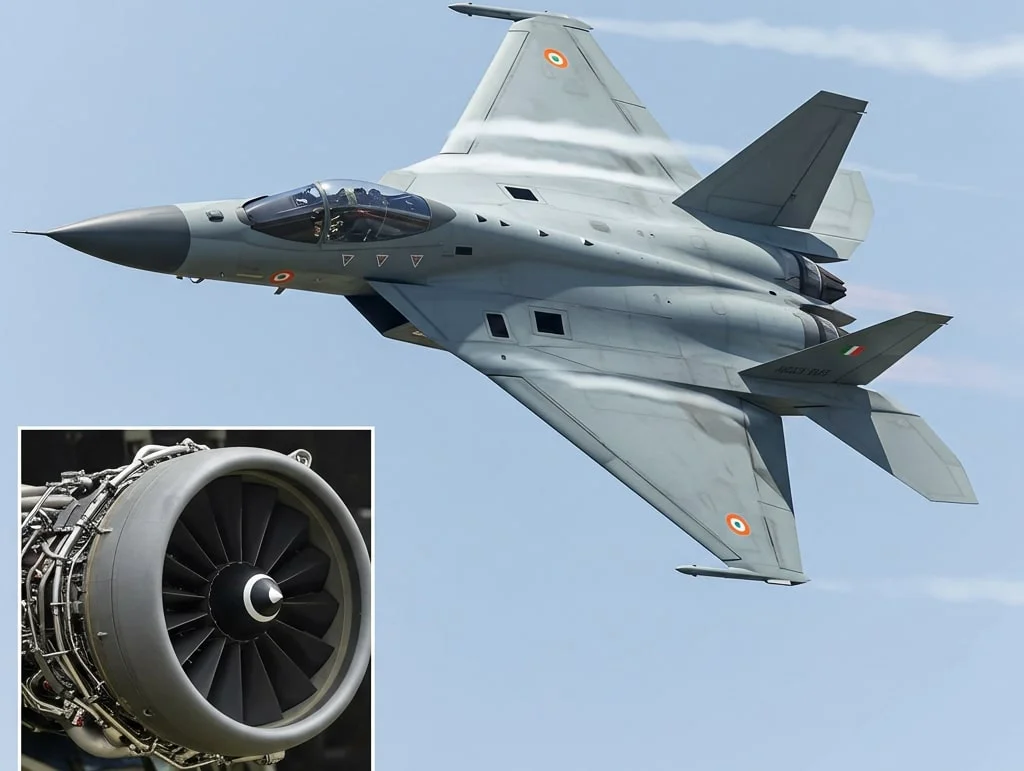
The soon to commence Safran-GTRE project will finally create a fully Indian jet Engine system incorporating design, development, testing, and production. All this will be under Indian control.
The joint engine program will propel India’s defence modernisation. Like the BRHAMOS project, this combining of French expertise with Indian research, industrial participation, and strategic intent, will help remove one of the last remaining barriers in the Indian aerospace sector.
The Gas Turbine Research Establishment (GTRE) partnering with Safran Group is poised to co-develop an indigenous high-thrust fighter jet engine under full Indian Intellectual Property Rights.
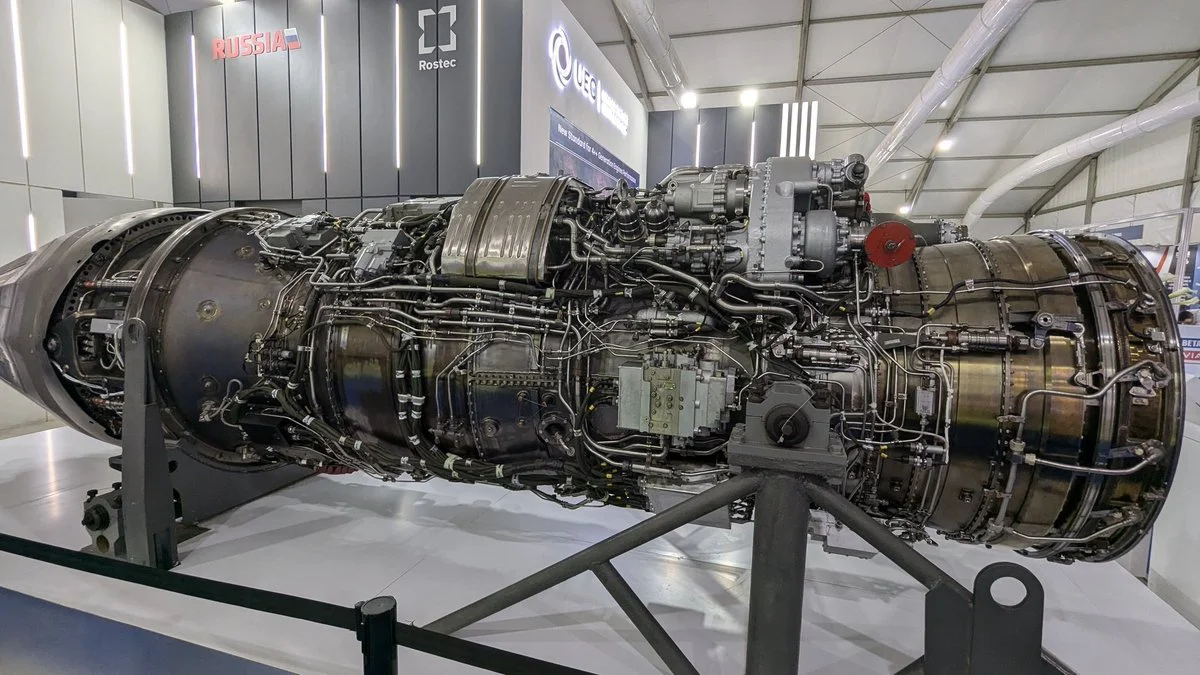
The engine with initial thrust of 120 kilo-Newtons (KN) and later scalable up to 140 KN, will equip the 5th generation twin-engine Advanced Medium Combat Aircraft (AMCA) and the Indian Navy’s deck-based carrier fighters.
Safran will be transferring 100% of its jet engine technology to DRDO, including advanced critical know-how single-crystal turbine blade technology—a vital component of modern high-performance engines.
Though DRDO has demonstrated this capability, it will take quite some time to reach production. So this full technology transfer ensures that the production state is reached at the earliest. In addition complete IPR ownership, will give DRDO the ability to scale and evolve designs independently.
Within a decade around 9 prototypes should be manufactured along with refinements in combustion systems, turbine efficiencies, cooling technologies, and material science. In contrast the GE-F414 deal, limited transfer to about 70%, withheld core intellectual property, and came with geopolitical constraints.
Apart from AMCA, even the Indian Navy’s future Twin Engine Deck-Based Fighter (TEDBF), designed for carrier operations, will rely on this new engine to enable heavier payloads, longer range strike profiles, and enhanced survivability against emerging threats.
Meanwhile, current Tejas Mk1A fighters will fly with GE F404 engines, of which 200+ have been ordered. HAL has also secured partial technology transfer for manufacturing the more powerful GE F414 to power TEJAS MK-2.
The mastery of indigenous jet engine technology has civilian spin-offs in powering advanced transport aircraft, regional passenger jets, and auxiliary gas turbine applications, creating a multiplier effect across India’s aerospace and energy industries.
Private-sector participation will also be critical and expected to contribute to manufacturing, integration, and testing infrastructure, building a world-class domestic supply chain.
There will also a huge export potential in future, should India choose to collaborate with friendly nations seeking advanced propulsion technologies.
India’s entry into this exclusive group will also elevate its aerospace capability in line with top powers.