Khalifa Erodogan gets “droned” for supporting Pakistan, its Tourism Industry Crashes By 37%
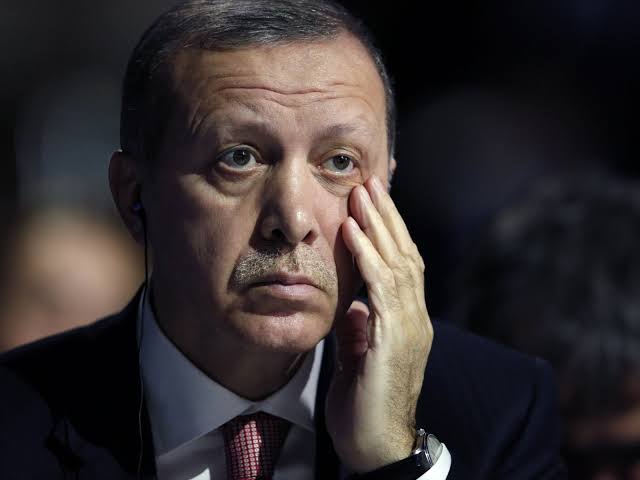
Turkey, the closest supporter of Pakistan during the recent punishment given to Pakistan by India during Operation Sindoor, is experiencing a severe downturn in its vital tourism economy.
This is a direct result of an extensive boycott campaign by Indian travellers and businesses. Following Khalifa’s outspoken political and military support for Pakistan which included a confirmed supply of advanced Turkish drones used by Pakistani forces—India responded with official and grassroots countermeasures.
India’s lashing included the cancellation of business engagements, travel bans on Turkish companies, and a sweeping movement on Indian social media calling for the avoidance of Turkish products and tourist destinations.
The economic fallout has been most acutely felt in Turkey’s tourism sector, historically enriched by robust Indian tourist inflows. In 2024, upwards of 3,30,000 Indian tourists visited Turkey and spent approximately $350–400 million, patronising not just major cities like Istanbul and Antalya but also luxury segments such as destination weddings and film shoots.
However, official data reveal a steep collapse: in June 2025, only 24,250 Indian tourists visited Turkey—a 37% decline compared to 38,307 in June 2024. May figures mirrored this trajectory, with visitors decreasing from 41,554 to 31,659 year-over-year. High-profile Indian travel platforms, including MakeMyTrip, EaseMyTrip, and Cleartrip, have suspended all Turkey promotions, fuelling the drop by unlisting the country as a destination.
This setback has severe macroeconomic implications for Turkey, a country already grappling with inflation and currency devaluation. The tourism sector, especially dependent on the summer influx of Indian families, honeymooners, and the Indian wedding industry, acts as an economic multiplier.
Analysts have noted that cancellations surged over 250% and new bookings dropped by more than 60%, entailing tens of millions of dollars of lost revenue at a time when Turkey can least afford it. India’s decision to downgrade several business and economic ties with Turkish firms—such as revoking airport contracts for Turkish management companies—compounded the impact, closing important avenues for hard-to-replace IRL and service exports.
The reason India’s boycott has proven so effective lies in both economic and symbolic spheres. Indian consumers, through collective action, demonstrated significant purchasing power and the ability to alter the commercial landscape as a form of diplomatic pressure.
More than just lost tourist spending, the boycott signalled to global markets Turkey’s diplomatic isolation and the risks involved in aligning closely with adversaries in South Asian geopolitical conflicts.
On the military-strategic front, Turkey’s supply of drones—such as the Bayraktar-TB2 and SONGAR ASISGUARD—and possible plans to transfer advanced anti-drone technologies (the ALKA-KAPLAN laser tank) to Pakistan, has further hardened India’s stance and fed widespread anger among Indian citizens and policymakers.
Turkish President Erdogan’s repeated affirmations of solidarity with Pakistan, especially regarding contentious issues like Kashmir, have left New Delhi little room for diplomatic manoeuvring, prompting a comprehensive recalibration of bilateral relations.
Turkey is now reeling from this multi-front crisis. Its tourism businesses, previously thriving on the Indian market, are scrambling for alternative sources of revenue. At the same time, Erdogan’s government faces criticism for miscalculating the geopolitical costs of alignment with Pakistan at the expense of alienating an economic powerhouse like India.
The Turkish leadership’s unwillingness to moderate its political rhetoric, as evidenced by Erdogan’s public statements and continued military cooperation with Islamabad, appears to have solidified the boycott, making any near-term recovery for Turkey’s tourism and service industries unlikely.
In sum, Turkey’s decision to back Pakistan in the India-Pakistan conflict has had far-reaching consequences. The Indian boycott is not just a symbolic affront—it represents a significant, quantifiable blow to Turkey’s economy, highlighting the risks of geopolitical alliances that disregard powerful economic partnerships.