Now a New lopsided U.S. strategy viewing Asia as key ‘battleground’
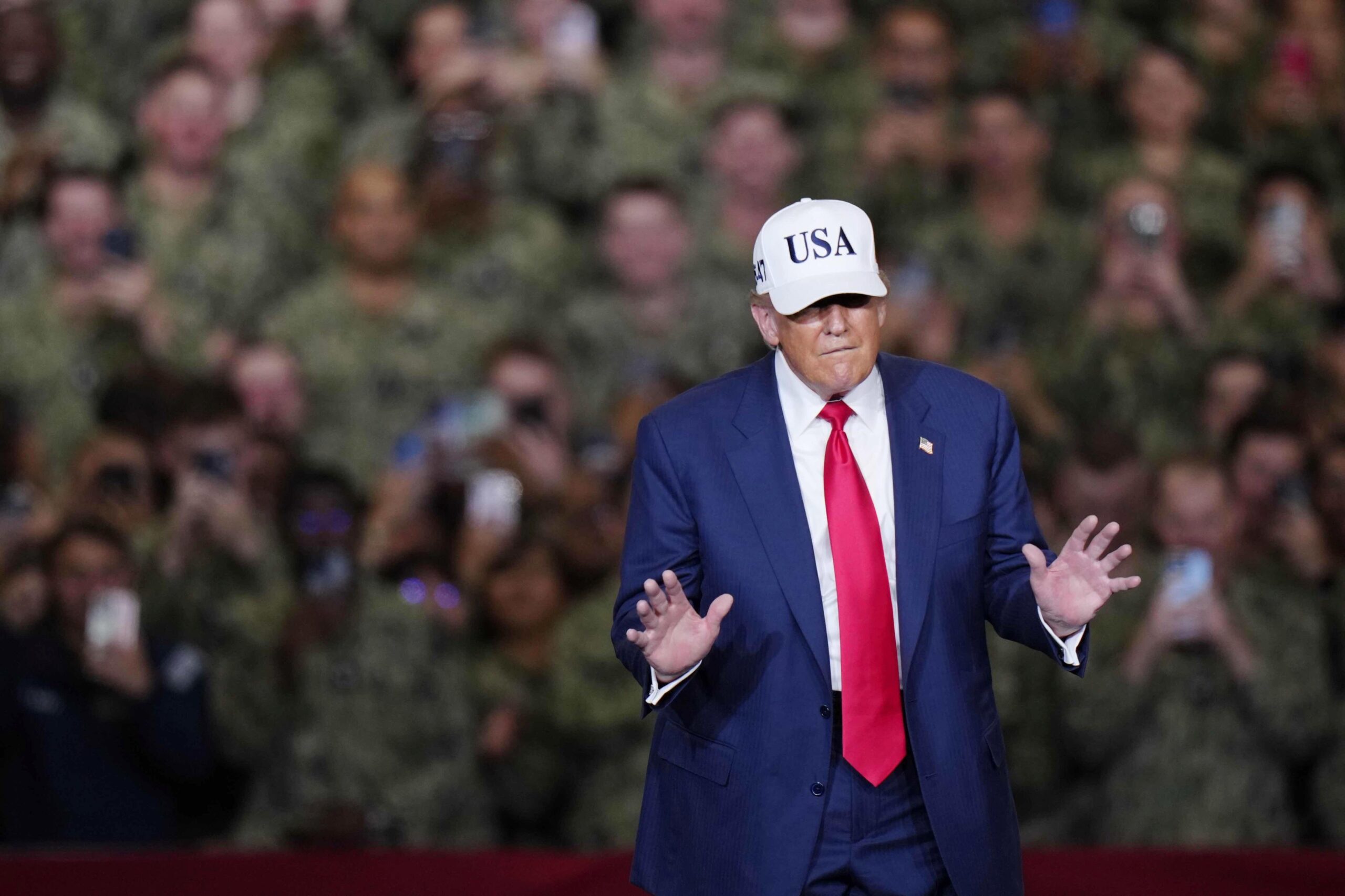
The Trump administration’s fresh blueprint Calls for a revival of the Monroe Doctrine, proclaimed in 1823 by then U.S. President James Monroe to warn European powers to stay out of the American hemisphere. Trump says it will step up efforts to take down drug trafficking networks, control migration and combat “adversarial outside influence.”
Making a clear departure from Biden’s plan to repair alliances frayed during Trump’s first term, the first strategy of its kind since 2022 says the United States will prioritize its preeminence in the Western Hemisphere.
Well by now USA too must realize that China too does not want any one to meddle in South China Sea. Similarly India too wants all external powers to vacate the Indian Ocean Region.
Coupled with the new security master plan, which was signed by Trump in November, the USA administration is expected to release the 2025 National Defense Strategy in the coming weeks. The U.S. administration’s new national security strategy frames the Indo-Pacific region as a critical geopolitical “battleground,” urging Japan, South Korea and other allies to increase their defense spending amid China’s rapid military modernization and economic rise.
The 33-page document, released by the White House late Thursday, offers a reminder that President Donald Trump’s approach to the rest of the world is, above all, guided by his “America First” doctrine.
“The days of the United States propping up the entire world order like Atlas are over,” says the first National Security Strategy since Trump’s return to the White House in January.
Highlighting the importance of “burden-sharing” and “burden-shifting,” it calls on U.S. allies and partners in the Indo-Pacific and elsewhere to be primarily responsible for their regions and be more active in contributing to “our collective defense.”
With NATO members having pledged to accept Trump’s demand to increase defense-related expenditures from 2 percent to 5 percent of gross domestic product by 2035, the document presses them to meet the target.
A part of the strategy that focuses on Asia says that given “Trump’s insistence on increased burden-sharing from Japan and South Korea, we must urge these countries to increase defense spending.”
The document says the key U.S. Asian allies should strengthen capabilities necessary to “deter adversaries and protect the First Island Chain,” referring to the string of islands that stretches from Japan’s archipelago through Taiwan, the Philippines and down to Borneo, enclosing China’s coastal waters.
It says that while the United States will build a military capable of deterring aggression anywhere along the strategic defense line, U.S. forces “cannot, and should not have to, do this alone.”
Regarding Taiwan, which China views as a renegade province to be reunified with the mainland, by force if necessary, the Trump administration confirmed Washington’s long-standing position that it “does not support any unilateral change to the status quo in the Taiwan Strait.”
Unlike his predecessors such as Joe Biden, Trump has largely avoided offering unconditional support for Taiwan or talking about the fate of the self-ruled democratic government from a security perspective.
Amid Trump’s relative silence on Taiwan, Japan-China relations have become tense following Japanese Prime Minister Sanae Takaichi’s remarks last month suggesting that an attack on the island could constitute an existential threat to her country and warrant a response by its Self-Defense Forces.
However, the U.S. strategy, which presidents typically issue once per term, makes clear that “deterring a conflict over Taiwan, ideally by preserving military overmatch, is a priority.”
It notes that maintaining stability around Taiwan is vital to U.S. interests not only because of Taiwan’s dominance in semiconductor manufacturing, but more importantly, because about a third of global trade passes through nearby waters.
Along with criticizing past U.S. administrations for their handling of China, the document praises Trump for reversing “more than three decades of mistaken American assumptions” about Beijing.
According to the current administration, the United States had failed to push China into the rules-based international order despite opening markets to the Asian country and supporting American businesspeople in deepening ties with Chinese companies.
The administration concludes it will “rebalance” its economic relationship with China.In contrast to its many references to China, the strategy does not bring up North Korea at all, indicating that its denuclearization is not high on Trump’s agenda.