
OECD maintains global economic outlook for 2026 as uncertainties weigh
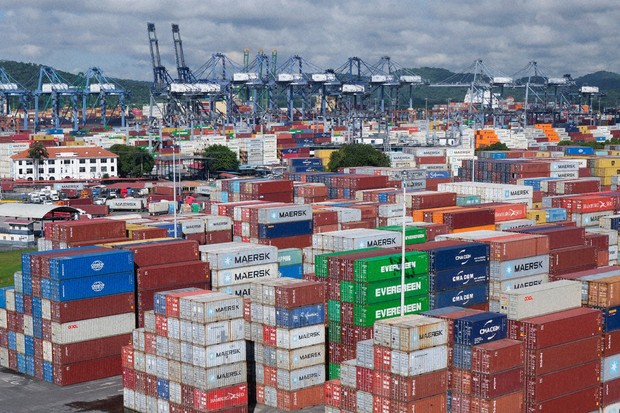
The OECD on Tuesday maintained its 2026 global growth forecast at 2.9 percent, unchanged from its September projection and slowing from an estimated 3.2 percent this year, as higher U.S. tariffs and other uncertainties weigh on many economies.
In its latest quarterly outlook report, the Organization for Economic Cooperation and Development warned of “substantial risks” that may interact with each other.
U.S. trade policy under President Donald Trump and stricter controls on rare earths implemented by China “would weaken growth, add to policy uncertainty, and generate significant disruptions in global supply chains,” the OECD said.
The Paris-based organization expects the world economy to grow 3.1 percent in 2027.
By country and region, Japan’s economy is forecast to grow 0.9 percent in 2026, up 0.4 percentage point from the previous estimate, helped by expansionary fiscal policy under Prime Minister Sanae Takaichi’s government and private consumption growth supported by real disposable income gains.
The OECD said the world’s fourth-largest economy is projected to expand 0.9 percent in 2027.
The U.S. economy is estimated to expand by 1.7 percent in 2026, a 0.2 percentage point upgrade, and by 1.9 percent in 2027, driven by ongoing strength in artificial intelligence-related investment and continued monetary policy easing.
China, the world’s second-largest economy and a non-OECD member, is expected to see 4.4 percent growth, unchanged from the earlier estimate, before slowing to 4.3 percent in 2027, amid dampened consumption and contracted real estate investment.
Growth for the eurozone is projected at 1.2 percent in 2026, up 0.2 percentage point, and 1.4 percent in the following year, the OECD added.