Trump’s Creation: The Cemetery of living men
Arturo Suárez says he was beaten by guards as soon as he arrived at El Salvador’s
notorious Cecot prison.
When he regained consciousness – his glasses smashed – everything was blurred, he says, but he heard the greeting clearly.
“Welcome to hell. Welcome to the cemetery of living men. The only way you leave here is
dead.”
Arturo says the person speaking was the jail’s director, Belarmino García.
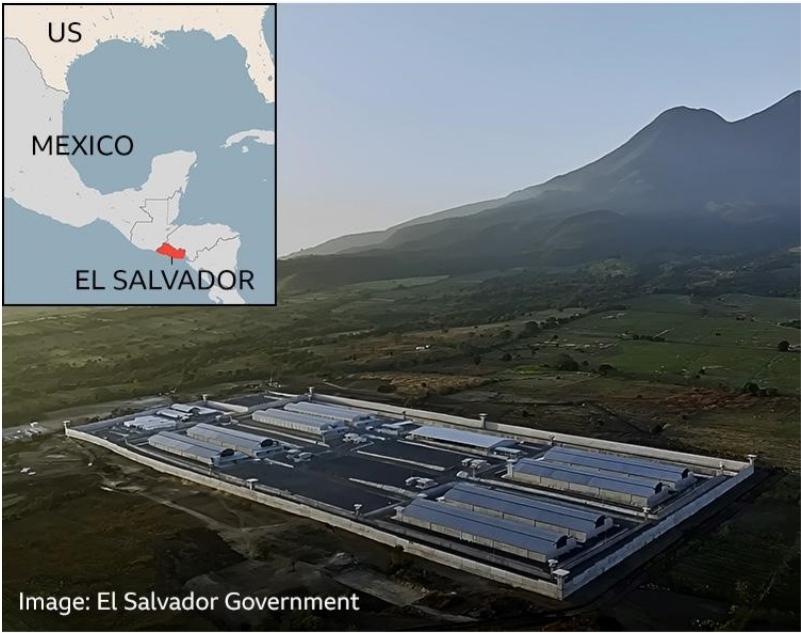
Cecot – the Center for the Confinement of Terrorism – was designed for the mass incarceration of El Salvador’s most violent and dangerous gang members, a symbol of President Nayib Bukele’s hardline approach to the wave of murders and extortion that had terrorised the country.
Since it was opened in 2023, authorities have been secretive about life inside Latin America’s
largest prison. And with few inmates ever let out, there has been little information available
about what goes on behind its concrete walls and electrified fences.
But Arturo and 251 other Venezuelans have recently been released from Cecot, having been sent there in March in a deal between the US and El Salvador, as part of President Trump’s campaign of mass deportations of migrants.
After arriving at their family homes in Venezuela last month, amid celebrations and tears, eight of the released men told BBC News Mundo about their time behind bars.
In their testimonies, they describe regular beatings, sometimes with sticks while handcuffed. One says he was sexually abused by guards.
The men say they slept on metal bunks with no sheets or mattresses and had to eat with their bare hands. They also had no access to lawyers or the outside world, and no clocks or watches to tell the time of day.
Aged between 23 and 39, they had all been living in the US. Some had entered in accordance with US law, others had crossed the border illegally, before they were accused of being violent gang members and deported to El Salvador.
They all deny any gang involvement and criminal activity, and say they were never given an opportunity to challenge the accusations against them. Most are convinced they were singled out because of their various tattoos, which US authorities have claimed demonstrate potential links to Tren de Aragua, a powerful regional criminal group that originated in Venezuela.
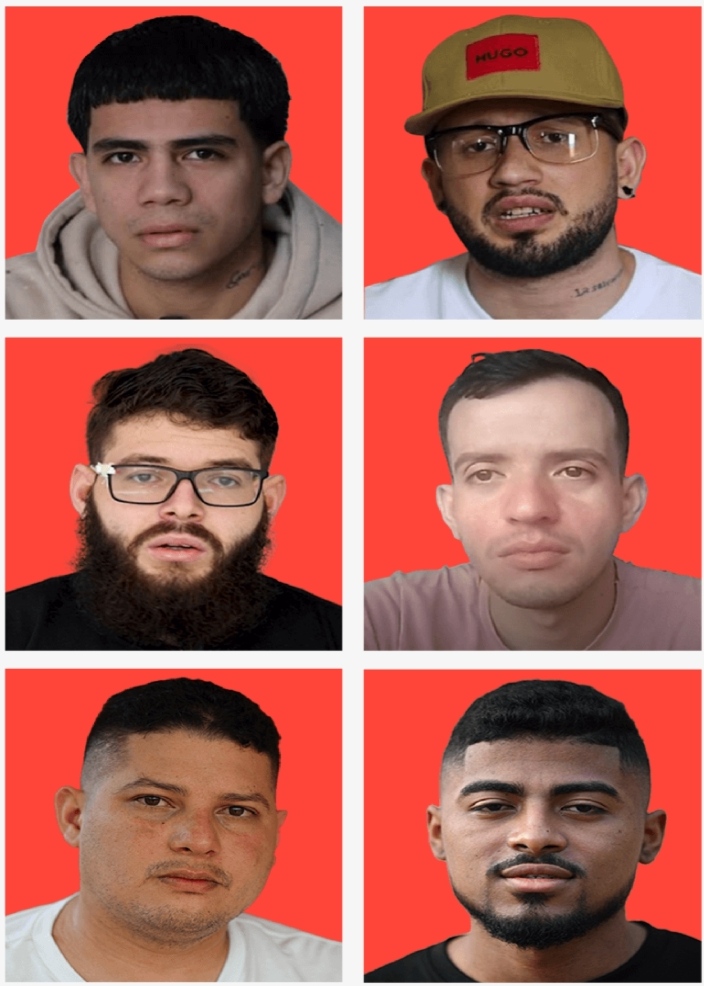
Top row: Joén Suárez, Arturo Suárez, Wilken Flores, Andry Hernández. Bottom row: Andy Perozo, Edwuar Hernández, Mervin Yamarte, Ringo Rincón
The US says deportees were carefully vetted, but did not respond to questions about what evidence was used against them.
Bundled on to a plane with their ankles and wrists shackled, the men say they thought they were being flown from the US back to Venezuela. But when they landed, guards with covered faces dragged them off the aircraft, says Edwuar Hernández, and they realised they were in El Salvador.
When they arrived at Cecot, still in chains, they were forced to kneel before men who shaved their heads. They describe how they had to undress, then put on white shorts, a white sweater and white rubbery shoes.
Mervin Yamarte, who had been working in a tortilla factory in Texas until he was deported, says he was beaten while naked.
“They hit my butt with a stick, punched me in the ribs – they wouldn’t let me put on my clothes.”
The BBC repeatedly put the Venezuelans’ allegations to the Salvadoran government, but officials did not respond.
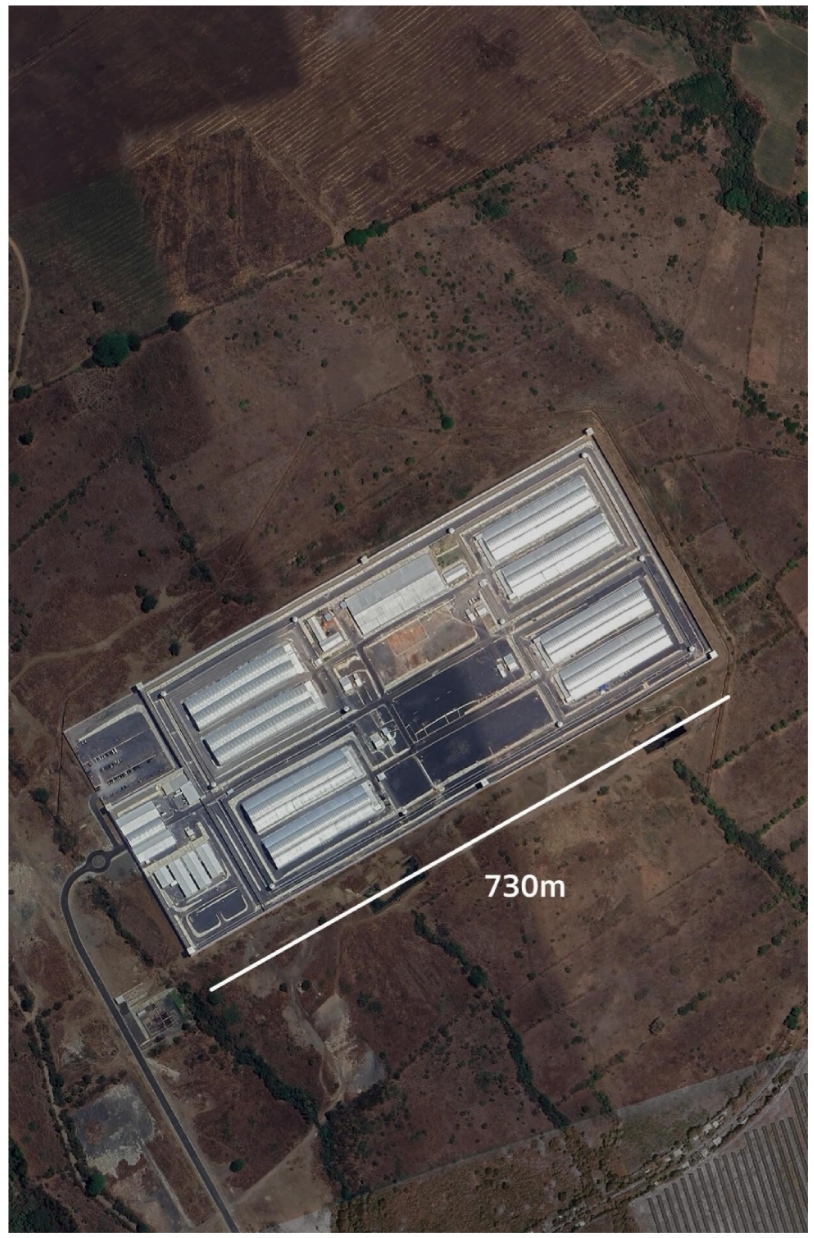
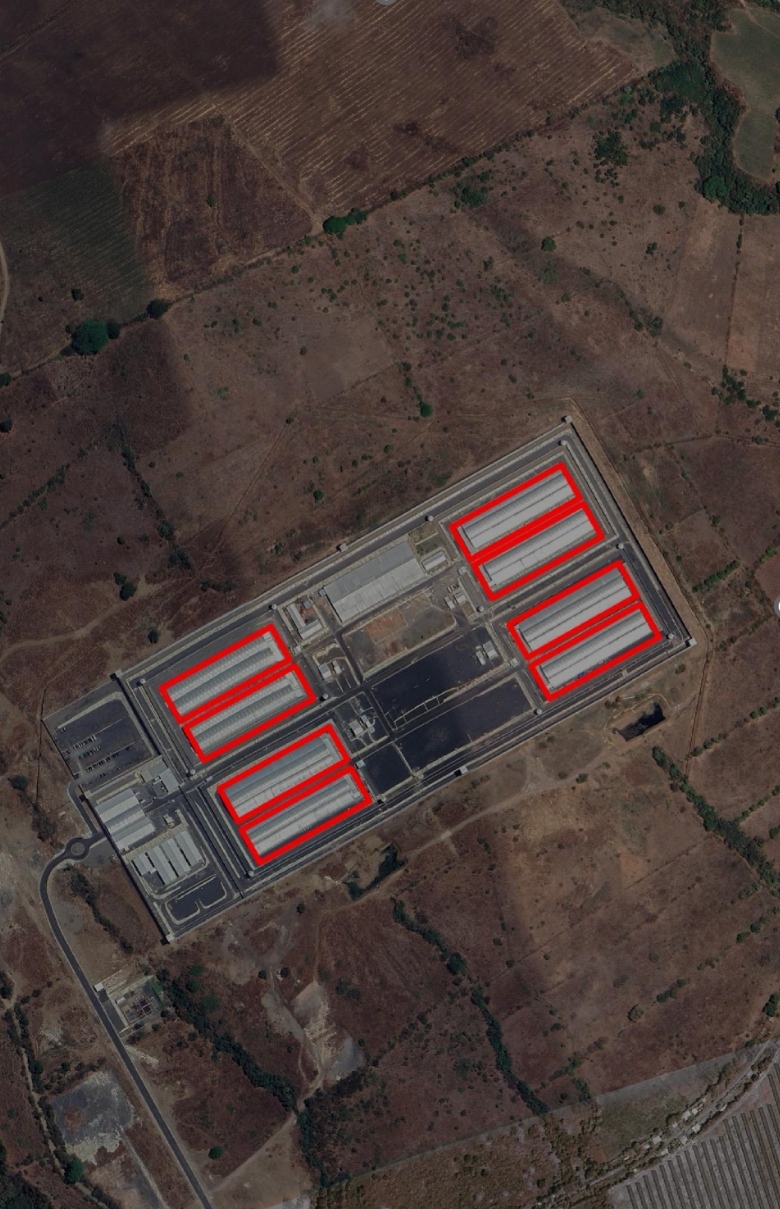
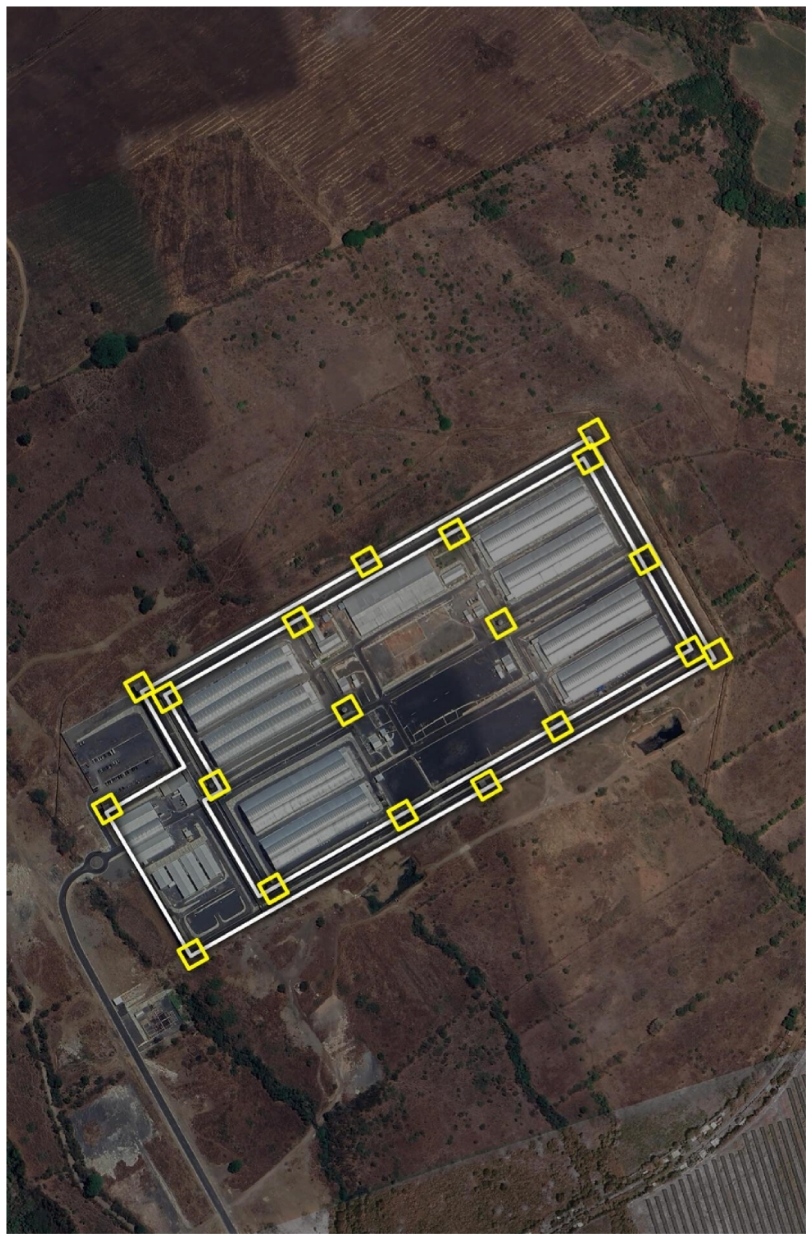
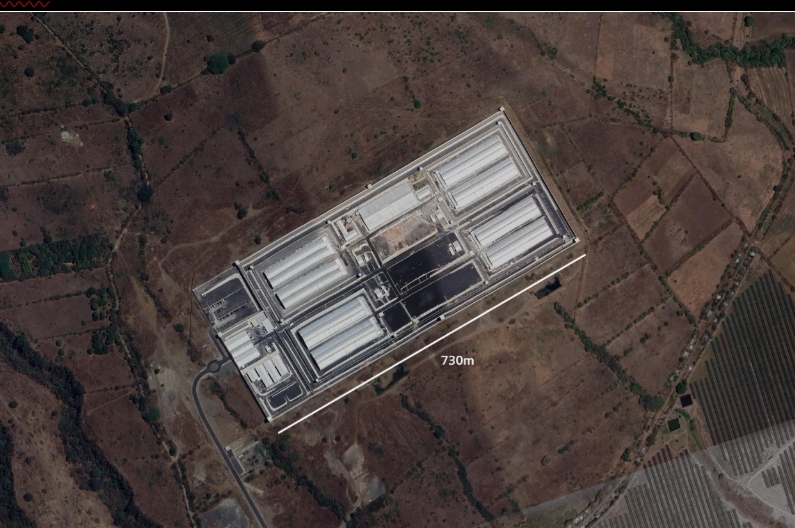
The prison and its cells
BBC
‘The cemetery of living men’
Trump deportees tell of abuse in secretive mega-jail