UK is changing its special forces for a modern world
The UK is setting up its service-level forces to take a more direct role in the kinds of special operations that UKSF has historically held tight.
By Andrew White
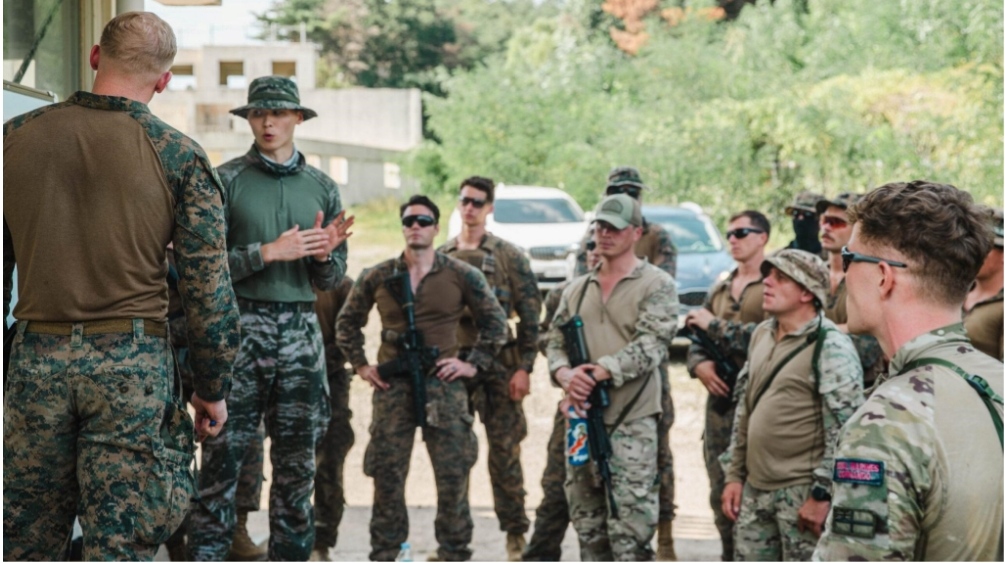
U.S. Marines assigned to Reconnaissance Company, 15th Marine Expeditionary Unit, alongside Republic of Korea special reconnaissance Marines assigned to 1st Reconnaissance Battalion, 1st ROK Marine Division, and British Royal Marine Commandos assigned to 40 Commando, discuss tactical plans before a combined raid rehearsal at Jeongcheon-ri, South Korea
When the United Kingdom rolled out its Strategic Defence Review (SDR) in June, it contained something of a surprise: Despite the historic reluctance to discuss special operations in previous SDRs, the newest document provided plenty of focus on UK Special Forces (UKSF).
But most notably, it also outlined emerging roles for “Service-Designated Special Operations Forces” (SOF) from the army and navy, giving the service-level special operators an internal push that could have major ramifications for the military going forward.
The review confirmed the Strategic Command will remain in charge of Special Forces as well as Special Operations Forces ( SOF). In the UK, “Special Forces” refer to the top tier of special operations units within UKSF, namely the Special Air Service, Special Boat Service and Special Reconnaissance Regiment — the groups that traditionally get the glory in movies and shows.
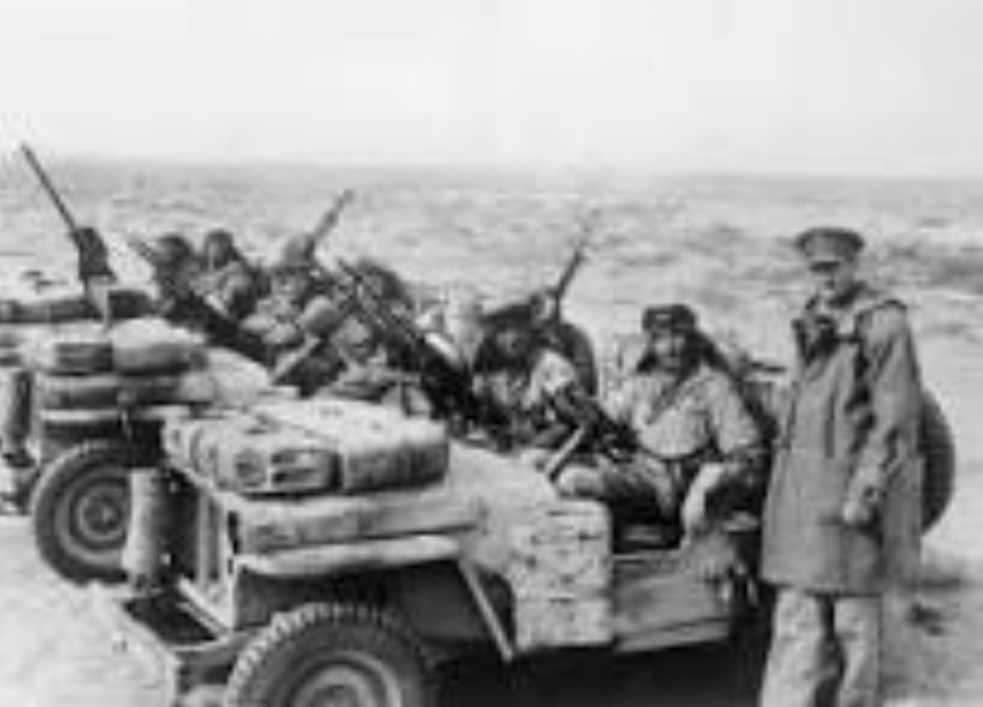
SAS WW2
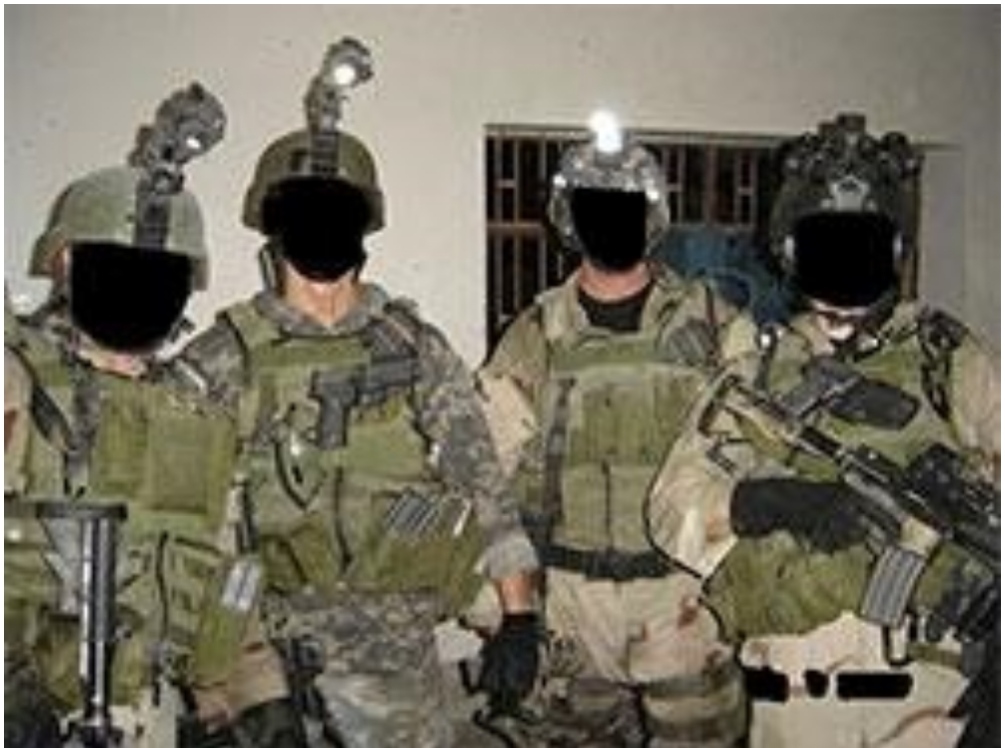
SAS in Modern Times
But as the SDR warned, “wider special operations” are no longer confined to missions conducted by UKSF components. That’s where the term “Special Operations Forces” comes in, offering a more generalized description of special operations units which do not fall under the command of the UKSF Directorate.
Special operations are not unfamiliar for the UK’s Commando Force and 16 Air Assault which have both provided the backbone of personnel to the UKSF Special Forces Support Group (SFSG) since its inception in 2006. This will remain unchanged, defense sources confirmed to Breaking Defense.
What is changing, and which the SDR seems poised to move forward, is for those service-level forces to take a more direct role in the kinds of special operations that UKSF has historically held tight.
“The UK’s single Service-designated Special Operations Forces [from the army and navy] provide additional choice and resilience,” the review stated, referring to the upgrade of the Royal Marines’ Commando Force and 16 Air Assault Brigade to special operations-capable formations, which will “in the near term improves the UK and NATO’s warfighting ability, exemplified by the UK’s contribution to, and framework for, NATO’s Special Operations Taskforce 2026.
“This allows the UK to contribute meaningfully at NATO Level 1 with sS SOF (such as the Army Rangers), Level 2 with specialist capabilities (for example, 16 Air Assault Brigade and Commando Force), and Level 3 with exquisite sovereign support from UK Special Forces,” the review says, referring to the lowest-to-highest NATO SOF threat descriptions. “This is critical given that NATO commitments will be a core driver of Defence activity under the NATO First approach.”
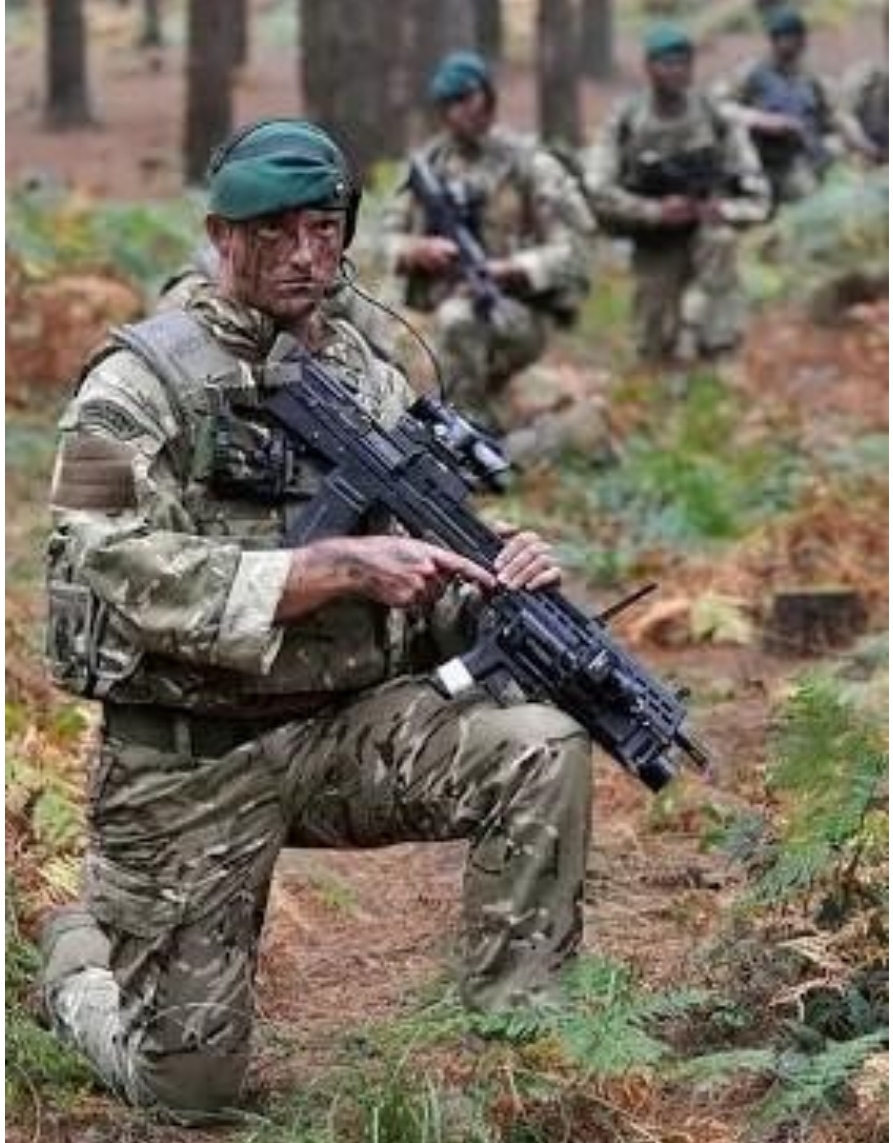
The Marine Commando Force
The latest addition to UK special operations capability comes in the form of the Commando Force, which is now officially supporting special operations and has benefitted from significant investment as part of a modernization plan in the past few years.
As confirmed in the 2025 SDR, the Commando Force is now supporting NATO Level 2 special operations, equipped with SOF-peculiar equipment ranging from light tactical all-terrain vehicles through to L403A1 KS-1 and Sig Sauer MCX assault rifles, MPU5 mobile ad hoc network radios, and uniforms.
The Commando Force is also set to benefit from upgrades in loitering munitions and other emerging technologies, a defense source explained to Breaking Defense.
Possible mission sets, according to MoD documents, include humanitarian aid/disaster relief (HADR); non-combatant evacuation operations (NEOs); hostage rescue operations (HROs); and rapid reaction operations, typically supported by Royal Navy Carrier Strike Groups around the world..
This expansive role for Royal Marine Commandos in the UK was most recently illustrated the multi-lateral Talisman Sabre exercise in Australia over the course of July and August, where force elements were observed conducting anti-terrorism operations on board a ship close to the Sydney Opera House — a role more typically associated with Tier 1 units within UKSF over the past several decades.
Marines from the Commando Force worked with SOF partners from the United States, Japan, and Singapore during the drill in Sydney Harbor, where assault teams conducted specialist boarding operations and “perfected the skills needed to hunt down smugglers, terrorists and pirates around the world,” a Royal Navy statement said.
Marines were supported by Black Hawk and Chinook helicopters from partner forces as well as raiding craft.
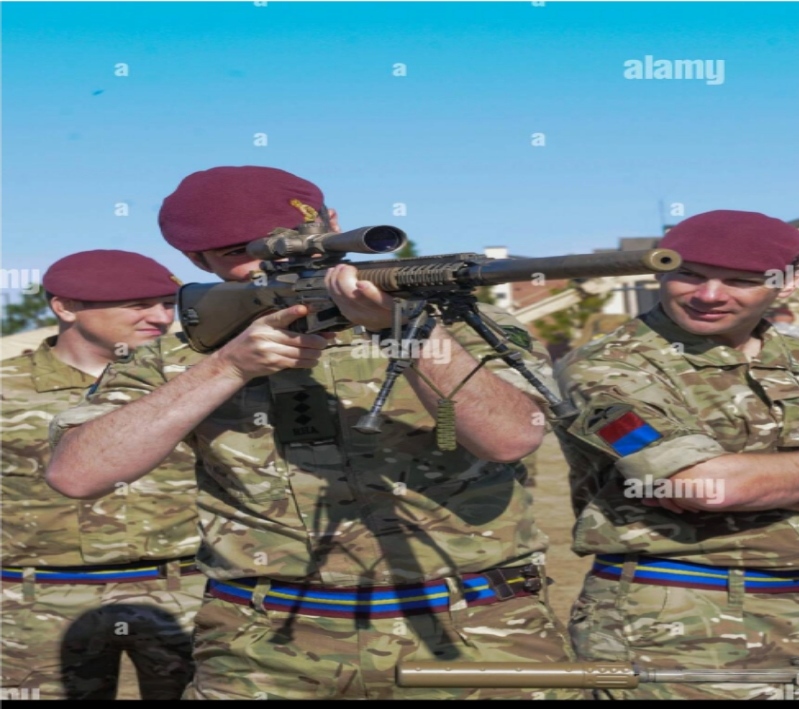
Air Assault Brigade
According to the SDR, the British Army’s 16 Air Assault Brigade (predominantly manned by personnel from the Parachute Regiment) is also now special operations-capable, providing similar capabilities to the Commando Force but more focused on land campaigns.
Other special operations capable units
The Commando Force and 16 Air Assault Brigade will augment other existing SOF units in the UK. In 2021, the Ministry of Defence established the Army Special Operations Brigade – essentially a rebranding of light infantry units into “Ranger Regiments” to train, advise and accompany partners in high threat environments.
“Special operations will integrate capability across all five operational domains. They will improve our interoperability with international partners like NATO, gain access to the most innovative equipment and intelligence capabilities, and adopt a more assertive posture. They will project UK global influence and pre-empt and deter threats below the threshold of war, as well as state aggression,” an MoD statement read at the time.
“They operate in complex, high-threat environments, taking on some tasks traditionally done by Special Forces. This work will involve deterring adversaries and contributing to collective deterrence by training, advising and, if necessary, accompanying partners,” the statement added.
Ranger teams have been visible across the contemporary operating environment, supporting NATO-led short-term training tasks across Africa and further afield.
Rangers are also involved in Project Asgard- the British Army’s state-of-the-art “recce-strike: concept designed to enable more rapid, precision strike operations across the modern battlespace.
According to emerging concepts of option described to Breaking Defense by the British Army, Ranger teams could be forward deployed behind enemy lines on the modern battlespace to feedback intelligence and targeting data in near real-time in collaboration with the Asgard digital targeting web.
UKSF and strategic competition
Promotion of the Commando Force and 16 Air Assault to special-operations capable formations provides a welcome respite for a stretched UKSF which continues to see its role pivot away from more traditional counter-terrorism tasks towards countering peer adversaries in the age of strategic competition.
The SDR confirmed UKSF remain at the “‘tip of the spear’— representing a working model of the Integrated Force, leading the way in innovation of new technologies and systems across all domains.”
“The rapid and growing diversification of threats demands Special Forces that can deter through retaining first‑mover advantage, out maneuvering peer adversaries in support of national objectives,” the SDR reads.
“These force-driving roles continue to put a premium on the highest-end capabilities within Special Forces, with the ability to underwrite the UK’s covert edge. It is critical that Defence assets are maintained, equipped, and held at readiness to ensure the Special Forces can always act decisively and at speed.”
The review also described how UKSF will play a key role in a “whole-of-society approach” alongside the UK’s nuclear deterrent, multi‑domain, conventional and special forces, offering “highly specialist capabilities that are vital to national security, such as counter‑terror and counter-chemical, biological, radiological, and nuclear expertise.”
As stated by the review, UKSF will contribute to three major roles in line with requirements emerging from the current and future operating environments.
These include defense and protection of the UK and its dependencies; deterrence and defense in the Euro-Atlantic; and shaping the global security environment.