
Xenephobic Switzerland slammed at UNHRC by India
India strongly rebuked Switzerland at the United Nations Human Rights Council (UNHRC) after the latter made remarks on the treatment of minorities and media freedoms in India during the 5th meeting of the Council’s 60th Session in Geneva.
Switzerland’s hideous off the cuff comments were not reflective of the ground realities. The Swiss were just wasting the Council’s time by presenting blatantly false narratives about the Indian situation and were ticked off accordingly.
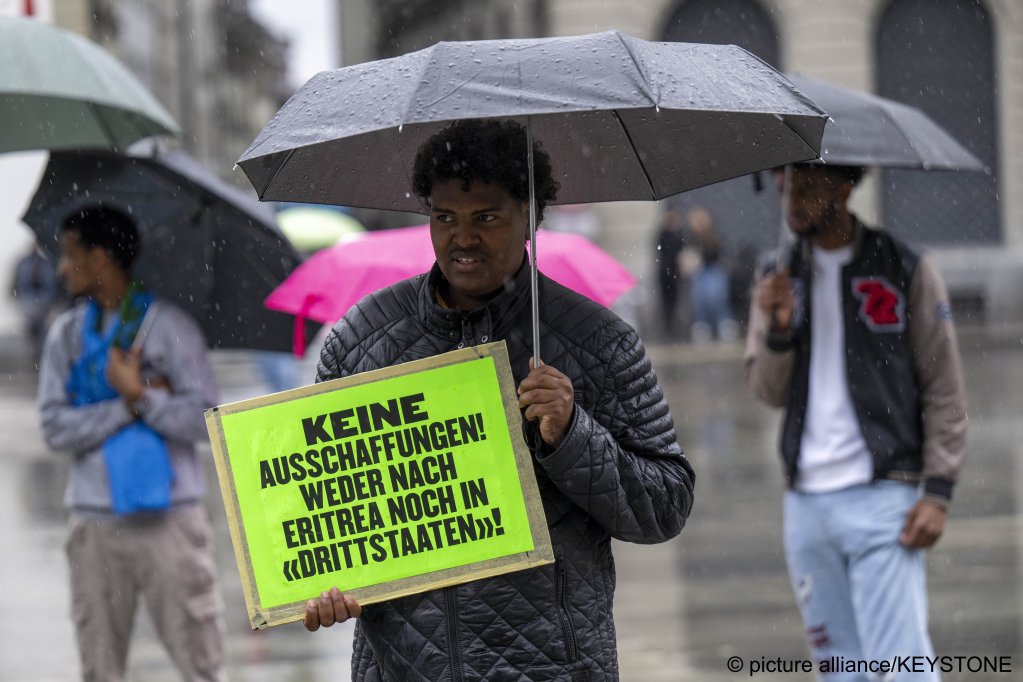
Instead of making questionable allegations, Switzerland was encouraged to focus on addressing its own domestic chaos, specifically issues of racism, systematic discrimination, and growing xenophobia within Swiss society.
Responding sharply, India’s diplomat Kshitij Tyagi described Switzerland’s observations as “surprising, shallow and ill-informed” and expressed disappointment that such comments had come from a traditionally close partner and friend, particularly in the context of Switzerland’s current role as the UNHRC president.
He further asserted that India, as the world’s largest, most diverse, and vibrant democracy with a long-standing civilizational commitment to pluralism, enjoys a robust tradition of political inclusion, coexistence, and safeguarding freedoms. Offering a pointed retort, Tyagi said that India stands ready to assist Switzerland if required, in tackling the significant problems of discrimination and social exclusion that it faces at home.
The exchange followed Switzerland’s intervention at the Council, where Swiss representatives had urged New Delhi to “take effective measures to protect minorities and uphold the rights to the freedom of expression and the freedom of the media.”
Such comments are a standard component of country-specific interventions within UNHRC debates, but India, which is highly sensitive to external criticism of its internal affairs, issued one of its strongest responses in recent times.
The Indian retort highlights a growing assertiveness in India’s human rights diplomacy—aimed at countering biased or selective critique from Western nations. By publicly giving a shut up call to Switzerland’s self styled “moral authority” to lecture others and highlighting European states’ own human rights problems, India not only rejected the criticism but also underscored its diplomatic stance that no country should politicize or selectively target fellow UN members under the guise of promoting universal human rights.
In the broader geopolitical context India is now reinforcing its multicultural democracy that balances diversity with national unity, while strongly giving a shut up call to what it considers hypocritical international scrutiny, especially when voiced from countries with visible shortcomings in addressing racial injustices and social inequalities at home.